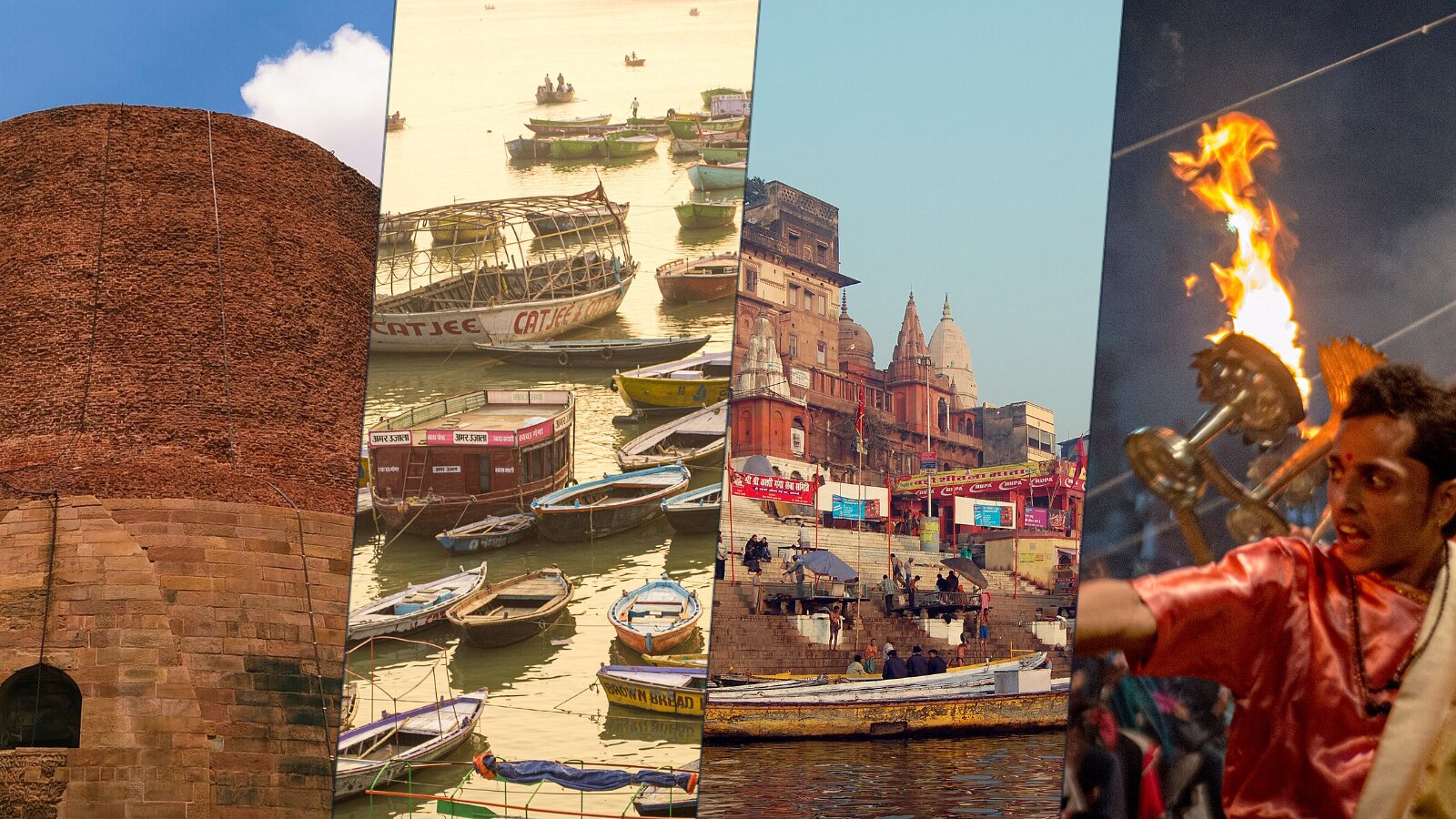
There's no city in India quite like Varanasi. At dawn, the light rises over the Ganga as pilgrims bathe on the ghats, boats drift past temples and old palaces, and somewhere a bell rings. In the evening, lamps and conch shells announce the Ganga aarti. In between, the narrow lanes behind the river are full of shrines, silk shops and some of the best street food in the country. A Varanasi trip is unlike any other journey in India.
A Varanasi trip can be overwhelming the first time, and it's easy to spend half of it lost in the lanes or stuck in traffic. This guide gives you a three-day plan that puts the right things at the right time of day, plus where to stay, what to eat, how to visit Kashi Vishwanath, and the festival dates worth planning around.
When to plan a Varanasi trip
- October to March is the best time, with cool mornings and pleasant days. December and January mornings are foggy and cold, which can delay trains and early flights, but they're also beautifully atmospheric on the river.
- April to June is very hot, often above 42°C.
- July to September is the monsoon. The Ganga rises and covers many of the lower ghats, and boat rides may be restricted.
Festivals worth planning around
- Dev Deepawali: on Kartik Purnima, 15 days after Diwali, every ghat is lit with lakhs of diyas. In 2026, it falls on 24 November. It's spectacular and extremely crowded, so book boats and rooms months ahead.
- Maha Shivratri: a huge night at Kashi Vishwanath, Varanasi's main Shiva temple.
- Holi: Varanasi celebrates loudly, including the unusual Masane ki Holi at the cremation ghats.
How to get to Varanasi
By train: Varanasi has three main stations: Varanasi Junction (Cantt), Banaras, and Pandit Deen Dayal Upadhyaya Junction (Mughalsarai), about 17 km away. The Vande Bharat Express from New Delhi takes about 8 hours, and many overnight trains run from Delhi, Mumbai, Kolkata and other cities.
By air: Lal Bahadur Shastri Airport at Babatpur, about 25 km from the city, has direct flights from most big cities.
By road: Varanasi is about 125 km from Prayagraj, and roads from Lucknow and Delhi are mostly expressway now, though the last stretch into the old city is slow.
A 3-day Varanasi itinerary
Day 1: The ghats and the evening aarti
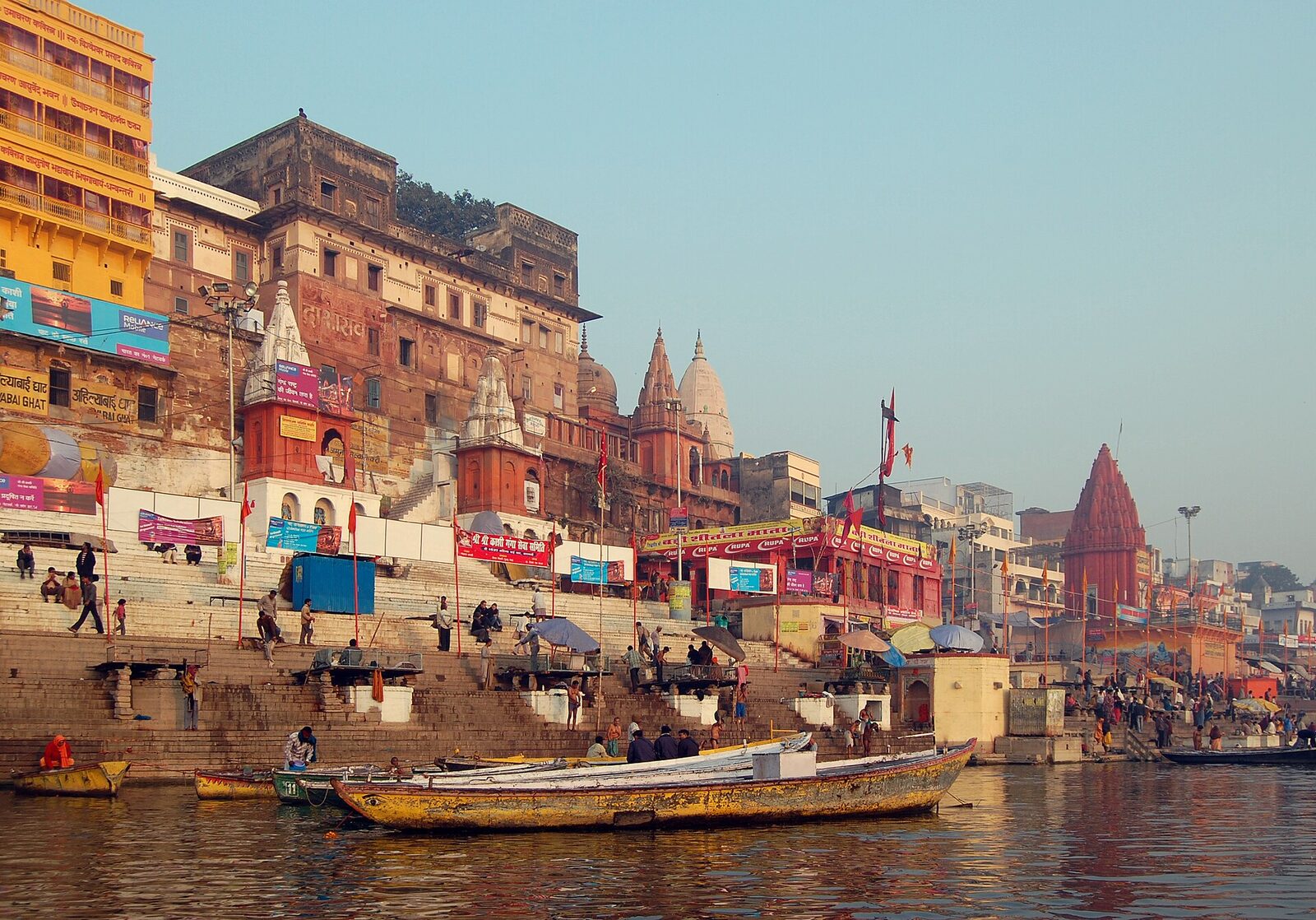
Arrive and check in near the river. In the afternoon, walk the ghats from Assi Ghat north toward Dashashwamedh. There are more than 80 of them, each with its own story: Tulsi Ghat, where Tulsidas is said to have written the Ramcharitmanas; Chet Singh Ghat with its fort-like walls; and the painted steps of Kedar Ghat.
Reach Dashashwamedh Ghat about 45 minutes before the evening Ganga aarti, which starts around sunset (roughly 6 to 7 pm depending on the season). A row of priests performs the aarti with huge brass lamps, incense and conch shells, in perfect unison. You can watch from the steps for free, or from a boat on the river, which gives you a front-row view of the whole line.
If you want a seat on the steps, arrive early and claim it. For the best photos, take a boat about 30 minutes before the aarti and ask the boatman to hold position in front of the ghat.
Day 2: Sunrise on the river, temples and the old city
Wake before dawn for the sunrise boat ride, the single most important thing to do on a Varanasi trip. Rowboats and motorboats leave from Dashashwamedh and Assi. Agree the fare first: a shared or private boat for an hour usually costs a few hundred rupees per person. You'll drift past the bathing ghats, the temples and palaces, and Manikarnika Ghat, the main cremation ghat, where fires have burned without a break for centuries.
At Manikarnika and Harishchandra ghats, don't take photos or videos of cremations, and be respectful. Ignore anyone who offers a "tour" of the cremation ghat and then asks for money for wood.
After breakfast, visit Kashi Vishwanath Temple, one of the twelve Jyotirlingas and the most important temple in the city. The Kashi Vishwanath Corridor, opened in 2021, now links the temple directly to the river. Phones, cameras, bags and leather items aren't allowed inside, so leave them at the lockers. Mornings and weekdays have shorter queues, and the temple's official site offers paid Sugam Darshan tickets that cut the wait.
Spend the afternoon in the lanes of the old city, for silk shops, small shrines and street food, then visit Assi Ghat in the evening for its smaller, calmer aarti.
Day 3: Sarnath and Ramnagar Fort
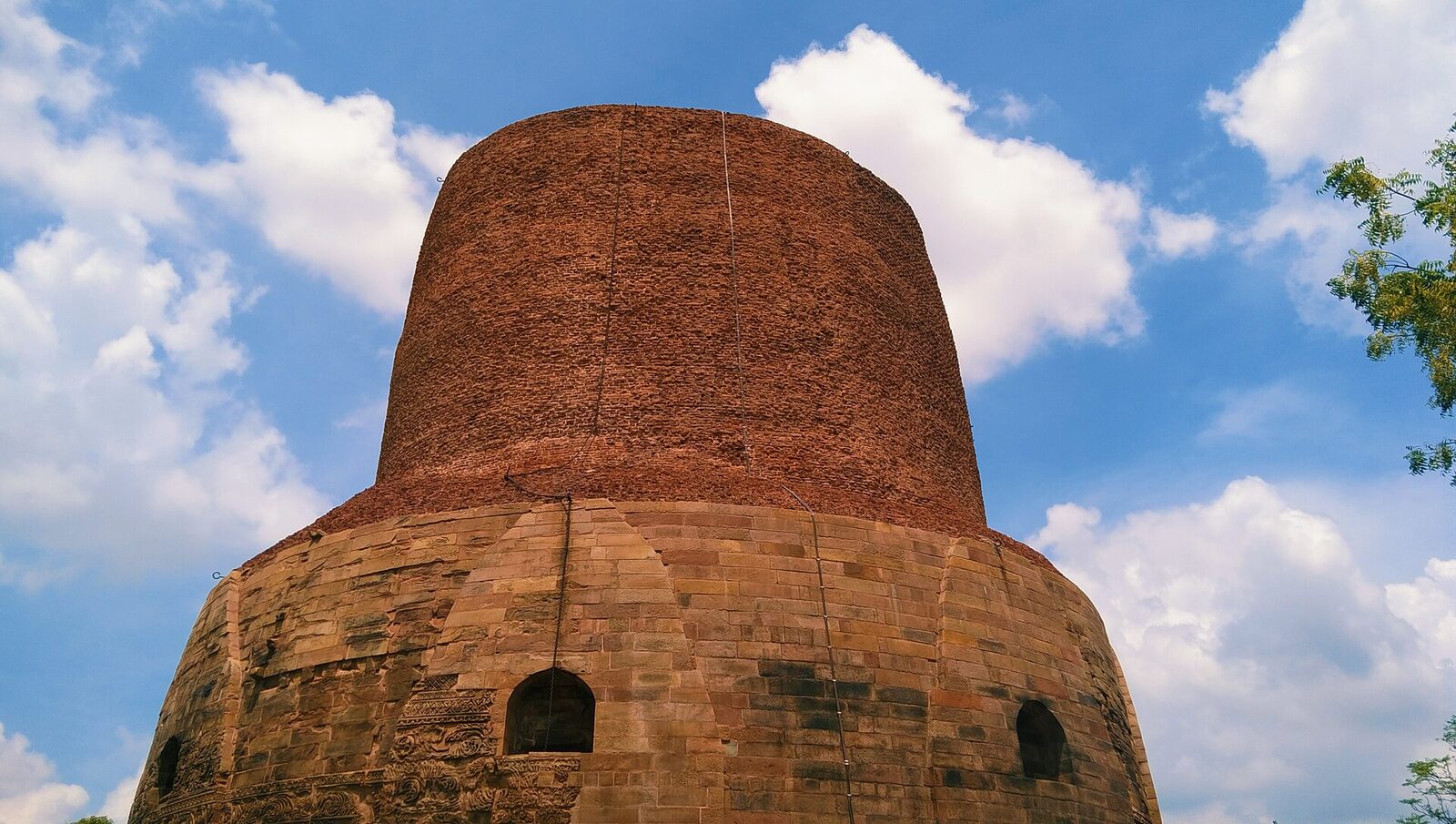
Drive about 10 km to Sarnath (about ₹25), where the Buddha gave his first sermon after his enlightenment. See the Dhamek Stupa, the ruins of ancient monasteries and the excellent Sarnath Museum, which holds the original Lion Capital of Ashoka, India's national emblem. The museum is closed on Fridays.
In the afternoon, cross the river to Ramnagar Fort (about ₹75), the Maharaja of Banaras's 18th-century fort, with a museum of vintage cars, palanquins and old clocks. Watch the sunset over the river from its walls.
If you have time, visit Banaras Hindu University, one of the largest residential universities in Asia, with its New Vishwanath Temple and the Bharat Kala Bhavan museum.
Assi Ghat at dawn: Subah-e-Banaras
If you're staying near Assi, go down to the ghat before sunrise for Subah-e-Banaras, a morning programme of Vedic chanting, the morning aarti, classical music and yoga. It's quieter and more intimate than the evening aarti, and a beautiful way to start a day.
Where to stay on a Varanasi trip
| Area | Price a night | Best for |
|---|---|---|
| Assi Ghat | about ₹800 to ₹3,000 | Cafés, quieter ghats, the morning aarti |
| Dashashwamedh and Godowlia | about ₹1,500 to ₹5,000 | The evening aarti, the temple, the lanes |
| Heritage hotels on the ghats | ₹6,000 and up | Waking up to the river from your window |
| Cantonment | about ₹5,000 to ₹12,000 | Big hotels, easy parking, away from the crowds |
For your first Varanasi trip, stay on or near the river. Being able to walk to the ghats at dawn is worth any small inconvenience.
The lanes of the old city are too narrow for cars. If you're arriving by taxi, you'll usually be dropped near Godowlia or Assi and will walk the last part with your bags. Pack light, or ask your hotel to send someone to meet you.
What to eat in Varanasi
Varanasi is one of India's great street food cities.
- Kachori sabzi and jalebi for breakfast in the lanes near Thatheri Bazaar
- Tamatar chaat, a Banarasi speciality, at Kashi Chat Bhandar
- Lassi in a kulhad, at the famous Blue Lassi shop and many others
- Malaiyyo, a cloud-like saffron milk froth, sold only on winter mornings
- Banarasi paan after dinner
- Baati chokha, the hearty dish of Purvanchal
The old city is largely vegetarian, and alcohol isn't available near the ghats and temples.
What a Varanasi trip costs
A rough budget per person for three days, for two people sharing, not counting travel to Varanasi:
| Budget | Mid-range | |
|---|---|---|
| Stay (3 nights, per person) | ₹1,200 to ₹4,500 | ₹4,500 to ₹9,000 |
| Food (per day) | ₹300 to ₹600 | ₹700 to ₹1,500 |
| Boats, autos and taxis | ₹1,000 to ₹1,500 | ₹2,000 to ₹3,500 |
| Entry fees and darshan | ₹200 to ₹600 | ₹500 to ₹1,000 |
| Total for 3 days | ₹3,500 to ₹8,500 | ₹9,000 to ₹18,000 |
Varanasi is one of the most affordable trips in India. For more ways to keep costs down, read our guide to planning a budget trip in India.
Varanasi travel tips
Agree every fare first. Boats, autos and cycle rickshaws don't have meters. Settle the price before you start.
Dress modestly. Cover your shoulders and knees, especially at temples and on the ghats.
Watch your step and your belongings. The ghats are steep and slippery when wet, and the lanes are crowded.
Say no to touts. You'll be offered boat rides, silk "factory" visits and guides constantly. A polite, firm no works.
Be respectful at the cremation ghats. This is a sacred place of mourning, not a tourist attraction.
More things to do in Varanasi
- Watch Banarasi silk being woven. Weaving families in areas like Madanpura and Sarai Mohana still work on handlooms. Visit a co-operative or a family workshop rather than a showroom a guide takes you to.
- Hear classical music. Varanasi is the home of the Banaras gharana. The Sankat Mochan Sangeet Samaroh in April brings some of India's greatest musicians to the temple for several nights.
- See the Ramnagar Ramlila. In September and October, the Ramlila at Ramnagar is performed over a month, much as it has been for nearly two centuries.
- Take a food walk. Early-morning kachori, lunch thalis and evening chaat make a perfect walking tour of the old city.
- Visit Chunar Fort. About 40 km away, this riverside fort has views over a great bend in the Ganga.
Varanasi with elderly parents
The ghats are steep and the lanes are crowded, so plan carefully with older travellers. Choose a hotel with a lift and road access, and use a boat to see the ghats instead of walking them. Book a paid darshan slot at Kashi Vishwanath to shorten the queue, and visit early in the morning. Watch the evening aarti from a boat, where you can sit comfortably, instead of the crowded steps.
Combine Varanasi with other places
- Prayagraj, about 125 km away, for the Sangam where the Ganga, Yamuna and mythical Saraswati meet
- Bodh Gaya, about 250 km away, where the Buddha attained enlightenment
- Ayodhya, about 200 km away. Our Ayodhya trip guide covers Ram Mandir darshan
- The Jyotirlinga circuit: Kashi Vishwanath is one of the twelve. See our guide to the 12 Jyotirlinga yatra
Varanasi in one day
If you only have a day: take the sunrise boat from Dashashwamedh or Assi, have kachori and jalebi for breakfast in the lanes, visit Kashi Vishwanath mid-morning (without your phone), walk the ghats from Dashashwamedh to Manikarnika and back, rest after lunch, visit Sarnath in the afternoon if you have a car, and end at the evening Ganga aarti, watched from a boat.
Understanding the ghats
Each ghat in Varanasi has its own character:
- Assi Ghat: the southernmost of the main ghats, with Subah-e-Banaras at dawn, cafés and a younger crowd
- Tulsi Ghat: linked to the poet Tulsidas, and the site of the Nag Nathaiya festival
- Kedar Ghat: brightly painted steps and the Kedareshwar temple, popular with South Indian pilgrims
- Dashashwamedh Ghat: the busiest ghat and home of the main evening aarti
- Manikarnika Ghat: the main cremation ghat, sacred and solemn
- Panchganga Ghat: where five rivers are said to meet, with the Alamgir mosque above
- Scindia Ghat: with a temple partly sunk into the river
Silk shopping in Varanasi
Banarasi silk saris, dupattas and stoles are among the finest textiles in India, but quality varies enormously. Buy from weavers' co-operatives, government emporiums or long-established shops, look for the silk mark label, and compare prices before you buy. Be wary of guides and drivers who insist on taking you to a particular "factory", as they earn a commission on everything you spend.
Varanasi with children
The boat rides, the evening aarti and Sarnath's deer park are favourites with children. The old city's lanes are crowded, so hold hands, choose a stay near a wide road, and keep the day short with a long rest after lunch. Avoid the cremation ghats with young children if you think they'll find them upsetting.
Health and hygiene tips
Drink bottled or filtered water, eat at busy places with high turnover, and carry hand sanitiser. Bathing in the Ganga is a deeply spiritual act for many pilgrims; if you want to, do so at a main bathing ghat in the morning and avoid swallowing the water.
Where to stay for the best Ganga views
Several hotels and guesthouses on the ghats between Assi and Dashashwamedh have rooms and rooftops looking straight over the river. Waking up to the sunrise over the Ganga from your window is one of the most memorable experiences in Varanasi. Book these early in season, check that rooms can be reached without a long walk with luggage, and ask whether hot water is available all day in winter.
A Varanasi reading list
Reading a little before you go makes the city richer: Diana Eck's Banaras: City of Light is the classic introduction to its history and rituals, and the life of Kabir, the poet-saint who lived in Varanasi, gives you a feel for its spiritual life.
Varanasi's music and arts
Varanasi has one of India's great musical traditions. The Banaras gharana is famous for its tabla and vocal music, and the city was home to legends like shehnai maestro Bismillah Khan. If you visit in April, look out for the Sankat Mochan Sangeet Samaroh, a free music festival held at the Sankat Mochan temple, where some of India's best classical musicians perform through the night. The Bharat Kala Bhavan museum at Banaras Hindu University has a fine collection of paintings, textiles and sculpture, and is a calm escape from the crowds of the ghats.
Plan your Varanasi trip with JrnyLoop
Tell JrnyLoop where you're starting and that you're going to Varanasi, and it plans the journey by train, road or air, then lays out each day with the boat ride at sunrise, the temples in the morning and the aarti in the evening. It lists entry fees and picks meals Varanasi is known for, and budgets the trip for your group.
Varanasi is also one of the best places to visit in India in winter, when its misty mornings are at their most beautiful.
The short version
Go between October and March, and give it three days. Stay near the river, take a boat at sunrise, see the Ganga aarti at Dashashwamedh from the steps one evening and a boat the next, visit Kashi Vishwanath early in the morning without your phone, and spend a day at Sarnath. Agree every fare first, eat kachori for breakfast, and leave time to just sit on the ghats and watch.


Comments