Every winter, the same question fills family groups and office chats across India: where can we see snow? The answer is closer than most people think. The best snowfall places in India are spread from Kashmir to Arunachal Pradesh, and several of them are an overnight journey from Delhi, Chandigarh, Kolkata or Guwahati.
Snow is never guaranteed at any of the snowfall places in India, though. It comes in spells, it closes roads, and the places that get the most of it are not always the easiest to reach. This guide lists ten places where your chances are good, with the weeks snow is most likely, how to get there, what a night's stay costs, and how to plan a trip that still works if the snow doesn't show up on cue.
When does it snow in India?
Most snow in the Indian Himalaya arrives with western disturbances, weather systems that roll in from the west between December and March. Each one brings a day or two of cloud and snowfall to the hills, followed by clear, cold days, which are the best days to be there.
- Late December to mid-February is the most reliable window for the hill stations of Himachal and Uttarakhand.
- Gulmarg and the higher Kashmir resorts usually hold snow from late December to March.
- High places like Sela Pass in Arunachal and Zero Point in North Sikkim can have snow from November into April, but roads close more often.
- Fresh snowfall and snow on the ground are not the same thing. A place can be white for weeks after one good spell, even if it doesn't snow again while you're there.
Watch the weather forecast for western disturbances about a week before you travel. If a spell is due, plan to arrive a day after it ends: the roads are cleared, the sky is blue and everything is white.
Snowfall places in India at a glance
| Place | State | Best chance of snow | Nearest railhead or airport | Budget stay from |
|---|---|---|---|---|
| Gulmarg | Jammu & Kashmir | Late Dec to Mar | Srinagar airport, 55 km | ₹2,000 a night |
| Manali, Solang and Sissu | Himachal Pradesh | Late Dec to Feb | Bhuntar airport, 50 km | ₹900 a night |
| Shimla, Kufri and Narkanda | Himachal Pradesh | Jan to mid-Feb | Kalka or Shimla toy train | ₹1,000 a night |
| Auli | Uttarakhand | Jan to Mar | Rishikesh, about 255 km | ₹1,200 a night |
| Sonamarg and Pahalgam | Jammu & Kashmir | Dec to Feb | Srinagar airport | ₹1,500 a night |
| Patnitop | Jammu & Kashmir | Jan to Feb | Jammu, about 110 km | ₹1,200 a night |
| Chopta and Tungnath | Uttarakhand | Late Dec to Feb | Rishikesh, about 210 km | ₹800 a night |
| Dhanaulti and Mussoorie | Uttarakhand | Occasional spells, Jan | Dehradun, about 60 km | ₹1,000 a night |
| Tawang and Sela Pass | Arunachal Pradesh | Dec to Mar at Sela | Guwahati, about 320 km | ₹1,200 a night |
| Lachung and Zero Point | Sikkim | Dec to Mar | Bagdogra airport, about 200 km | ₹1,500 a night |
"Budget stay from" is a simple room for two in the low season. Prices rise sharply over Christmas, New Year and the January long weekend.
1. Gulmarg, Kashmir: the surest snow in India
If you want to be almost certain of snow, go to Gulmarg. This high meadow ringed by fir forest sits at about 2,650 m and holds deep snow from late December through March most years. It's India's best ski resort, and one of the most beautiful winter landscapes anywhere in the country.
Ride the Gulmarg Gondola, one of the highest cable cars in Asia: Phase 1 goes to Kongdoori and Phase 2 climbs to Apharwat at around 4,000 m. Both phases together cost about ₹1,700. Book online a day ahead, because counter tickets run out by mid-morning, and go early, since Phase 2 shuts in high wind. Beginners can take ski lessons and hire gear on the gentle Kongdoori slopes, and everyone else can sledge, walk across the meadow or simply sit with a cup of kahwa and watch.
- Getting there: fly to Srinagar, then 55 km by road, the last stretch through Tangmarg
- Ideal trip: 2 to 3 days, ideally as part of a Kashmir trip
- Stay: the meadow for walk-to-the-gondola hotels, or Tangmarg, 13 km below, for cheaper rooms
Prepaid SIM cards from other states don't work in Jammu and Kashmir. Carry a postpaid connection if you need your phone on the trip.
2. Manali, Solang and Sissu: the easiest snow from Delhi
Manali is where most north Indians see snow for the first time, and it's easy to see why. It's an overnight bus or a long day's drive from Delhi or Chandigarh, there are hotels at every budget, and in a good winter the snow starts just above town.
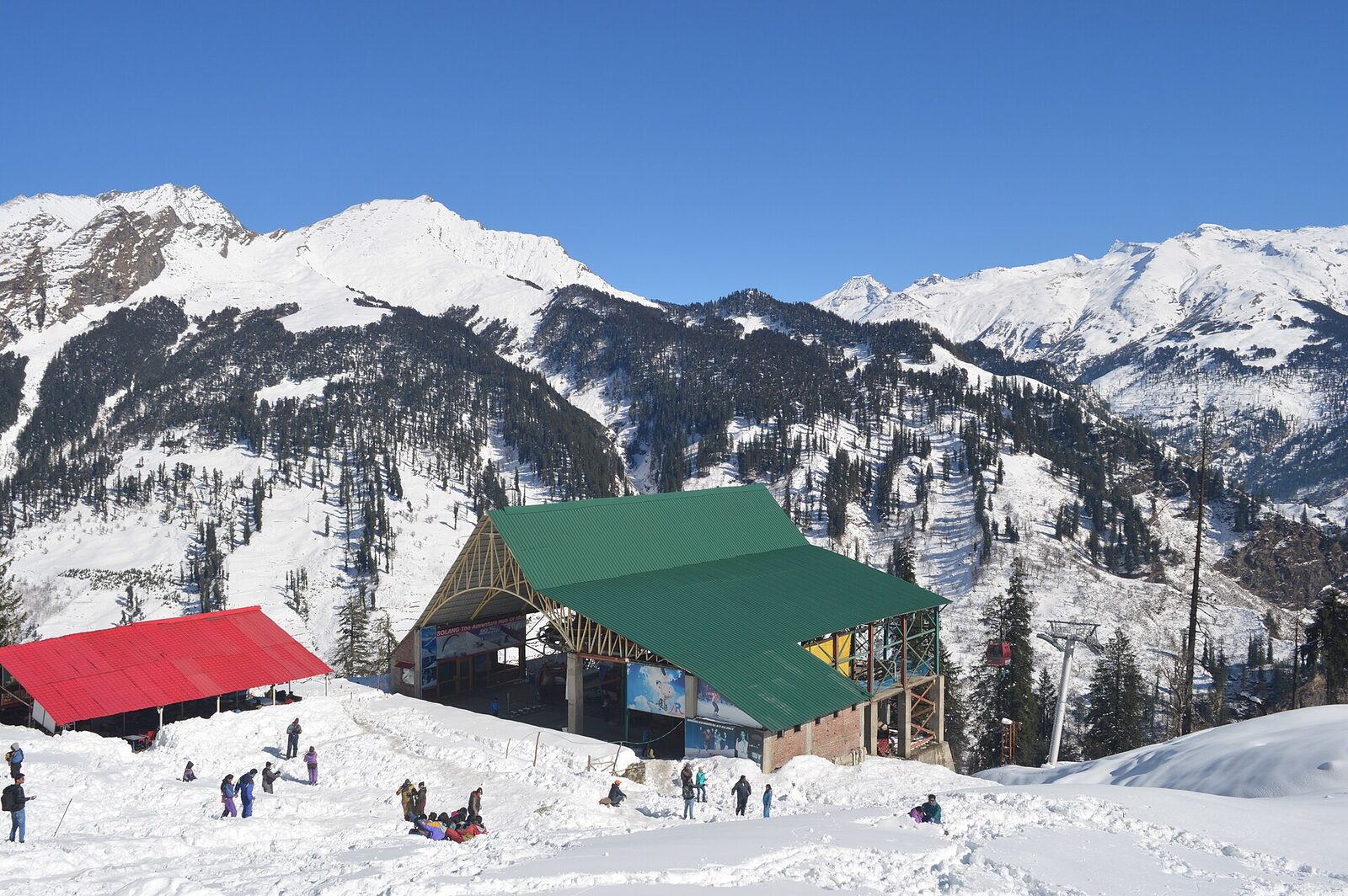
The town itself gets snow in some years, usually in January. For reliable snow, head up to Solang Valley, 14 km away, with its snow slopes, sledges and ski lessons, and through the Atal Tunnel to Sissu in Lahaul, which is often white from December to March. Rohtang Pass is closed in winter.
- Getting there: fly to Bhuntar (Kullu), 50 km away, or take an overnight Volvo from Delhi or Chandigarh
- Ideal trip: 3 to 4 days, or 6 days with Shimla on the same trip
- Stay: Old Manali for cafés and budget rooms, the Mall Road area for hotels, Solang for snow at the door
After heavy snowfall, the police often stop traffic toward Solang and the Atal Tunnel for a day or more, and only 4x4 vehicles or cars with chains are allowed through. Keep a spare day, and check the road status each morning.
3. Shimla, Kufri and Narkanda: snow by toy train
Shimla gets a few spells of snow most winters, usually between early January and mid-February. When it does, the Ridge and Mall Road turn into a postcard, and the town fills up within hours.
For better odds, go a little higher. Kufri, 16 km from Shimla, gets more snow and has easy sledging slopes. Narkanda, about 65 km further along the Hindustan–Tibet road at around 2,700 m, is quieter, sits among apple orchards, and runs ski courses in good snow years. Snow can close the road up to Hatu Peak from December to February.
- Getting there: the Kalka–Shimla toy train, a UNESCO-listed railway, or by road from Chandigarh in about 4 hours
- Ideal trip: 2 to 3 days
- Stay: Shimla's Mall Road for walkability, Narkanda for snow and silence
4. Auli, Uttarakhand: skiing with a view of Nanda Devi
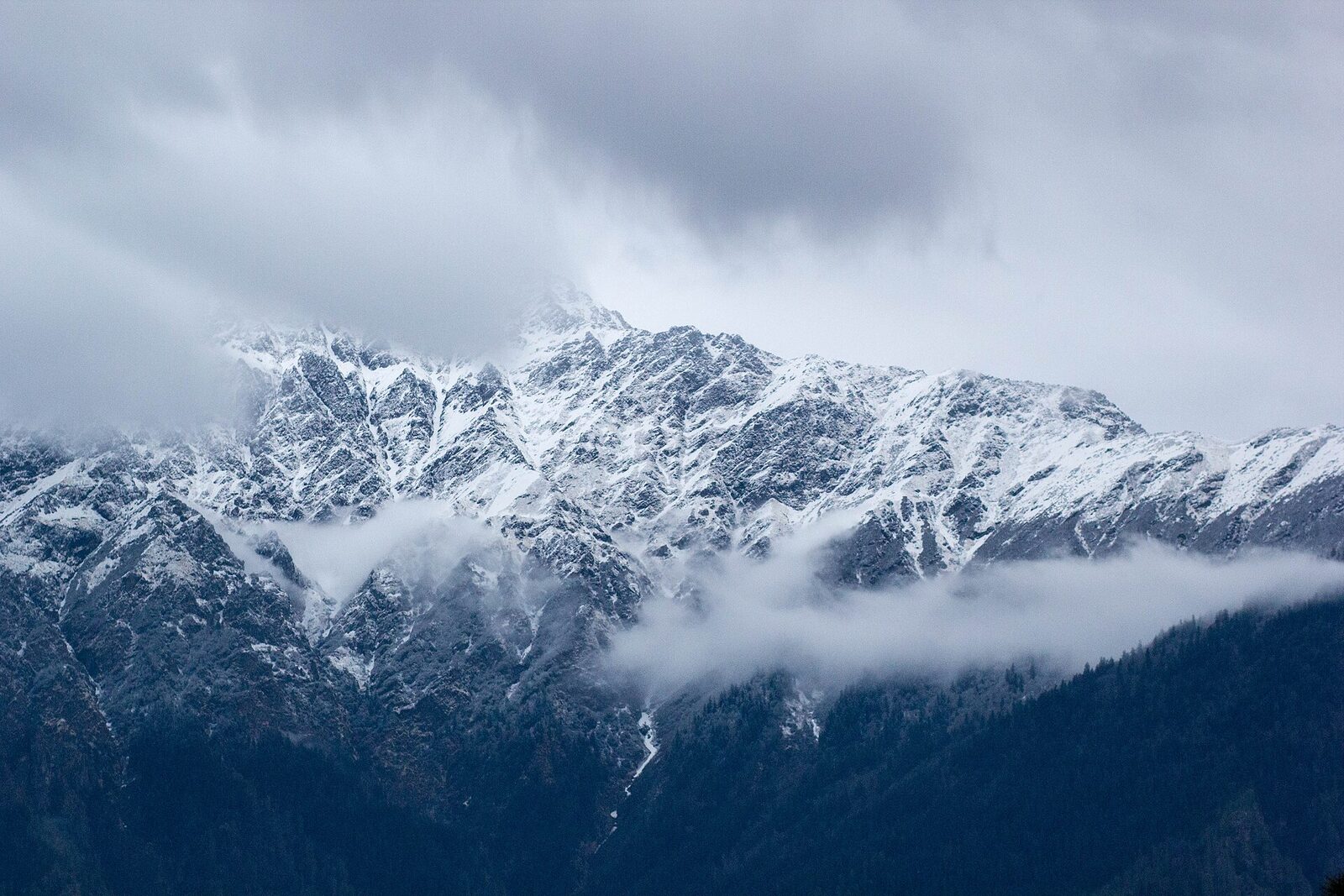
Auli is Uttarakhand's ski resort, a set of open slopes above Joshimath with a view of Nanda Devi, one of India's highest peaks. From January to March it usually has enough snow for skiing, and GMVN runs ski courses for beginners when conditions allow.
The Joshimath–Auli ropeway has been shut since the 2023 land subsidence in Joshimath, so you'll drive up the 16 km road instead. Check whether it has reopened before you go. A 3 km walk through oak forest leads to the Gorson Bugyal meadow, which is beautiful under snow.
- Getting there: by road from Rishikesh, about 255 km and a long, winding day
- Ideal trip: 2 to 3 days, plus travel
- Stay: Auli for the slopes, Joshimath for cheaper rooms
5. Sonamarg and Pahalgam: Kashmir's other winter valleys
Gulmarg gets the crowds, but Kashmir has more snow to offer. Sonamarg, the "meadow of gold" below the Thajiwas glacier, used to be cut off for much of winter. Since the Z-Morh tunnel opened in early 2025, it can be reached far more easily, though the road beyond toward Zoji La stays shut.
Pahalgam, where three valleys meet along the Lidder river, is white for most of January and February, with snow-covered pine forests and frozen streams around Betaab and Aru valleys. It's a quieter, more affordable base than Gulmarg.
- Getting there: both are day trips or short drives from Srinagar: Sonamarg about 80 km, Pahalgam about 95 km
- Ideal trip: 1 to 2 days each
- Stay: Srinagar's houseboats as a base, or a night in each valley
6. Patnitop: snow close to Jammu
Patnitop is the snow trip most people forget. This pine-covered ridge on the Jammu–Srinagar road is about 110 km from Jammu, and in January and February it often gets enough snow for sledging and snowball fights. It's also an easy add-on to a Vaishno Devi trip, which brings plenty of families here in winter. Sanasar, 20 km away, is a quieter meadow with fewer people.
- Getting there: by road from Jammu, about 3 hours
- Ideal trip: 1 to 2 days
- Stay: Patnitop for the forest, Sanasar for quiet
7. Chopta and Tungnath: a snow trek for beginners
Chopta, a meadow on the Kedarnath side of Uttarakhand, is the starting point for the trek to Tungnath, the highest Shiva temple in the world, and on to Chandrashila peak. In winter the meadows and forests are covered in snow and the views of Chaukhamba, Trishul and Nanda Devi are at their clearest.
The temple itself is closed in winter, but the trail is a classic winter walk. Go with a local guide, since snow covers the path, and expect the road to Chopta to close for a few days after heavy snowfall. Read our guide to treks for beginners in India if it's your first snow trek.
- Getting there: by road from Rishikesh, about 210 km, via Rudraprayag and Ukhimath
- Ideal trip: 2 to 3 days
- Stay: simple camps and lodges at Chopta, or Sari village for homestays
8. Dhanaulti and Mussoorie: a gamble close to Delhi
Mussoorie gets snow only in some winters, usually for a day or two in January. Dhanaulti, about 25 km away and a few hundred metres higher, has a better chance and its deodar forests look beautiful in the snow. Treat this as a bonus rather than a sure thing: if you want snow guaranteed, go to Gulmarg or Sissu.
- Getting there: by road from Dehradun, about an hour to Mussoorie
- Ideal trip: 2 days
- Stay: Landour for quiet, Mall Road for convenience, Dhanaulti for the forest
9. Tawang and Sela Pass: snow in the Northeast
The road to Tawang crosses Sela Pass at about 4,170 m, and from December to March there is almost always snow at the top, around the frozen Sela Lake. The Sela Tunnel, opened in 2024, now keeps the road to Tawang open through most of the winter, and you can still take the old road over the pass on a clear day.
Tawang itself gets some snow in winter, and the region's high lakes freeze solid. You'll need an Arunachal Inner Line Permit, which our Inner Line Permit guide explains.
- Getting there: by road from Guwahati, about 320 km, usually over two days via Bomdila or Dirang
- Ideal trip: 5 to 7 days including the drive
- Stay: Dirang on the way, then Tawang town
10. Lachung and Zero Point, North Sikkim
North Sikkim is one of the snowiest places most travellers can visit. From Lachung, you drive up through the Yumthang Valley to Zero Point (Yumesamdong) at around 4,700 m, where snow lies for much of the year. In winter the whole valley is white.
North Sikkim needs a protected area permit, issued through a registered Sikkim tour operator with a registered vehicle and driver, and roads here are often damaged by landslides. Check that North Sikkim is open before you book, and read our Sikkim trip plan for the rest of the state.
- Getting there: fly to Bagdogra or take a train to New Jalpaiguri, then Gangtok, then a shared or private tour to Lachung
- Ideal trip: 2 to 3 days from Gangtok
- Stay: Lachung homestays and hotels, usually as part of the tour package
Snow treks worth knowing about
If walking through snow is the point, three beginner-friendly winter treks in Uttarakhand are hugely popular:
- Kedarkantha (about 3,800 m): India's best-known winter trek, from Sankri
- Brahmatal: frozen lakes and views of Trishul and Nanda Ghunti, from Lohajung
- Dayara Bugyal: wide snowy meadows above Uttarkashi
All three are usually done in 5 or 6 days with a trekking company, from December to March.
How to plan a snow trip that works
Keep a buffer day. Snow closes roads, sometimes for a day, sometimes for three. A trip with one spare day is relaxed. A trip with none is stressful.
Don't drive your own car into fresh snow without experience. Hire a local driver or a 4x4 taxi for the last stretch, or carry snow chains and practise fitting them before you need them. Our guide to ghat road driving covers driving in the hills.
Avoid the peak weeks if you can. Christmas to New Year and the Republic Day long weekend bring traffic jams to Manali, Shimla and Gulmarg. Mid-January and February are just as snowy and much calmer.
Book refundable stays. If the forecast turns, you'll want to shift your dates without losing money.
What to pack for snow
- A warm waterproof jacket and thermal inner layers
- Waterproof boots with a good grip, not sports shoes
- Woollen socks, gloves and a cap that covers your ears
- Sunglasses for the glare off the snow
- Moisturiser and lip balm
- Basic medicines, including something for a cold
Rental shops in Manali, Gulmarg and Auli hire out snow boots and jackets cheaply, so you don't need to buy specialist gear for one trip. The rest is in our travel packing list.
Plan your snow trip with JrnyLoop
Tell JrnyLoop where you're starting from and where you want to see snow, and it plans the route with realistic mountain drive times, shows the forecast for each day once you're close, and packs for the cold, from thermals to snow boots. If a road closes, you can replan the rest of the trip around it.
Not sure which snow trip fits your days and budget? Where can I go? compares places for your dates, days and budget. For more winter ideas beyond the snow line, read our guide to places to visit in India in winter.
Go when the snow does
The best snow trip is the one you can move by a few days. Pick a place, keep the dates loose, watch the forecast for the next western disturbance, and go the moment it clears. You'll get blue skies, white slopes and roads that are open again.


Comments