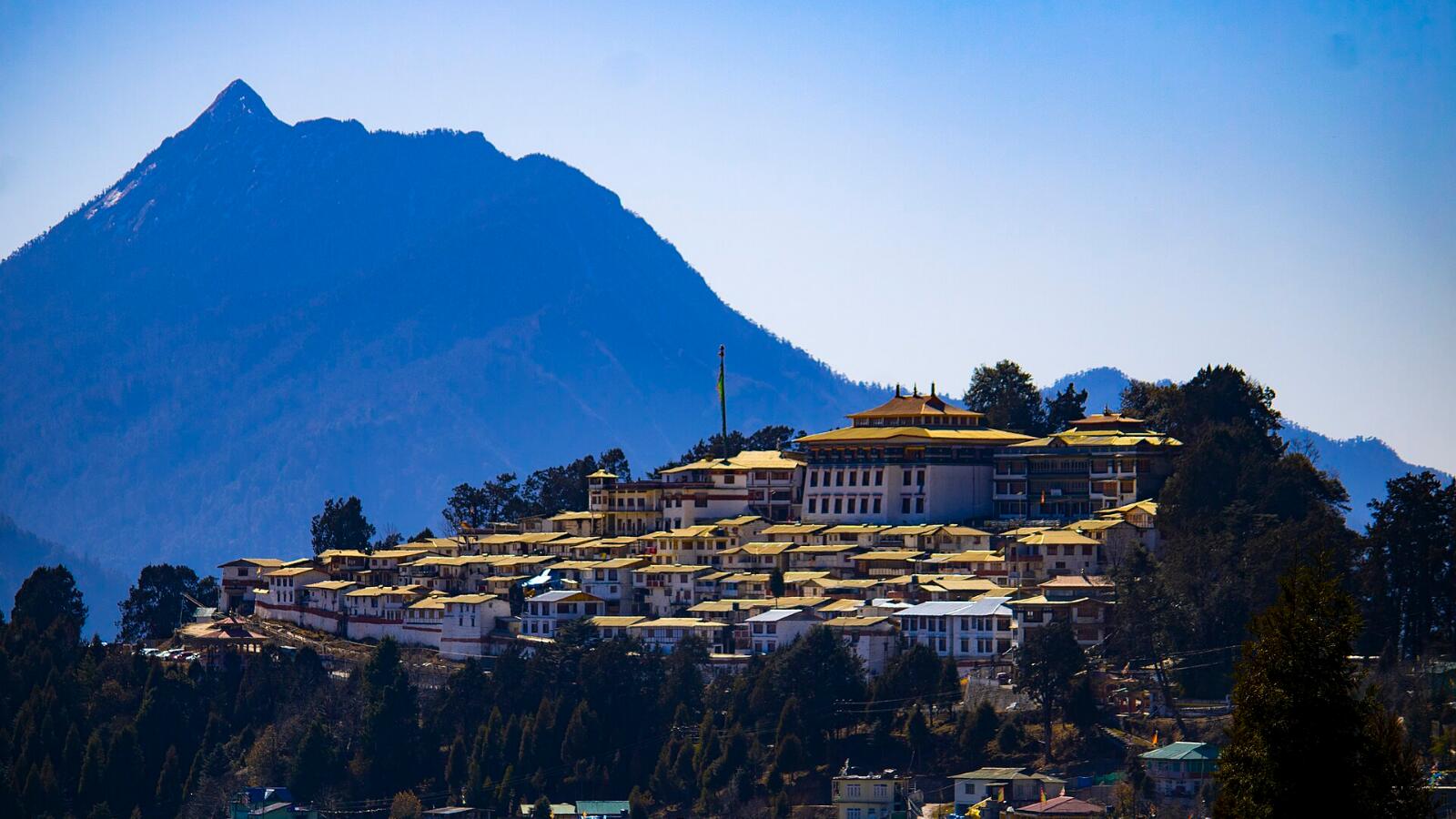
Planning a trip to Tawang, Kohima, Aizawl or Imphal? Then you'll need an Inner Line Permit, even though you're an Indian citizen. Places like North Sikkim, Ladakh's Nubra Valley, Lakshadweep and the Adi Kailash trek have permits or entry rules of their own too, and getting them wrong can end a trip at a checkpost.
This guide explains what an inner line permit is, exactly where Indian travellers need one (and a few other entry permits), how to apply online, which documents to keep ready, and the mistakes that cause the most trouble. We checked the rules against the official portals in October 2026. They do change, so always confirm on the official site before you travel.
What is an Inner Line Permit?
An Inner Line Permit (ILP) is an official travel document that lets an Indian citizen from outside a state enter it for a set period. The system goes back to the Bengal Eastern Frontier Regulation of 1873, and today it protects the land, culture and identity of the indigenous communities in parts of the Northeast.
A few things worth knowing:
- It's for Indian citizens. Foreign nationals need different permits (a Protected Area Permit or Restricted Area Permit), which this guide doesn't cover.
- It's for specific dates. An ILP is valid for the period you apply for, and only for the state that issued it.
- It isn't a visa or a hotel booking. You still need your ID and your bookings; the ILP is checked at entry points and sometimes at checkposts inside the state.
- It's usually quick and cheap. Most states now issue tourist ILPs online for a small fee.
How long is an ILP valid?
Tourist permits are made for short trips. In Nagaland and Manipur, the tourist permit has been valid for up to 15 days, and Arunachal issues its eILP for the dates you apply for. For longer stays, work or study, each state has other permit types, which usually need a local sponsor.
Whatever the length, the dates on your permit are the dates you're allowed to be there. If your trip runs longer than planned, because of a closed road or a cancelled flight, contact the issuing office before the permit runs out rather than after. Don't let it lapse while you're still in the state.
Where you need a permit: at a glance
| Where | What Indian visitors need | How to get it |
|---|---|---|
| Arunachal Pradesh | Inner Line Permit (eILP) | Online at eilp.arunachal.gov.in |
| Nagaland | Inner Line Permit | Online at ilp.nagaland.gov.in |
| Mizoram | Inner Line Permit | Online at ilp.mizoram.gov.in, or at Lengpui airport on arrival |
| Manipur | Inner Line Permit | Online at manipurilponline.mn.gov.in, or at entry-point kiosks |
| Ladakh: Nubra, Pangong, Tso Moriri, Hanle | No ILP, but an online registration with fees | lahdclehpermit.in (Domestic) |
| Sikkim: North Sikkim, Tsomgo Lake, Nathu La, Zuluk | Protected area permits | Through a registered Sikkim tour operator |
| Lakshadweep | Entry permit | Online through the Lakshadweep administration's e-permit portal |
| Adi Kailash and Om Parvat, Uttarakhand | Inner Line Permit | SDM office, Dharchula |
| Sandakphu, West Bengal | National park entry permit and a guide | Forest office near Manebhanjan |
| The White Rann, Gujarat | Entry permit | Online, or at the Bhirandiyara checkpost |
And where you don't need one: Indian visitors don't need an ILP for Assam, Meghalaya or Tripura, or for Himachal's Spiti and Kinnaur valleys. Some places in those regions have their own park or area tickets, but no inner line permit.
Arunachal Pradesh
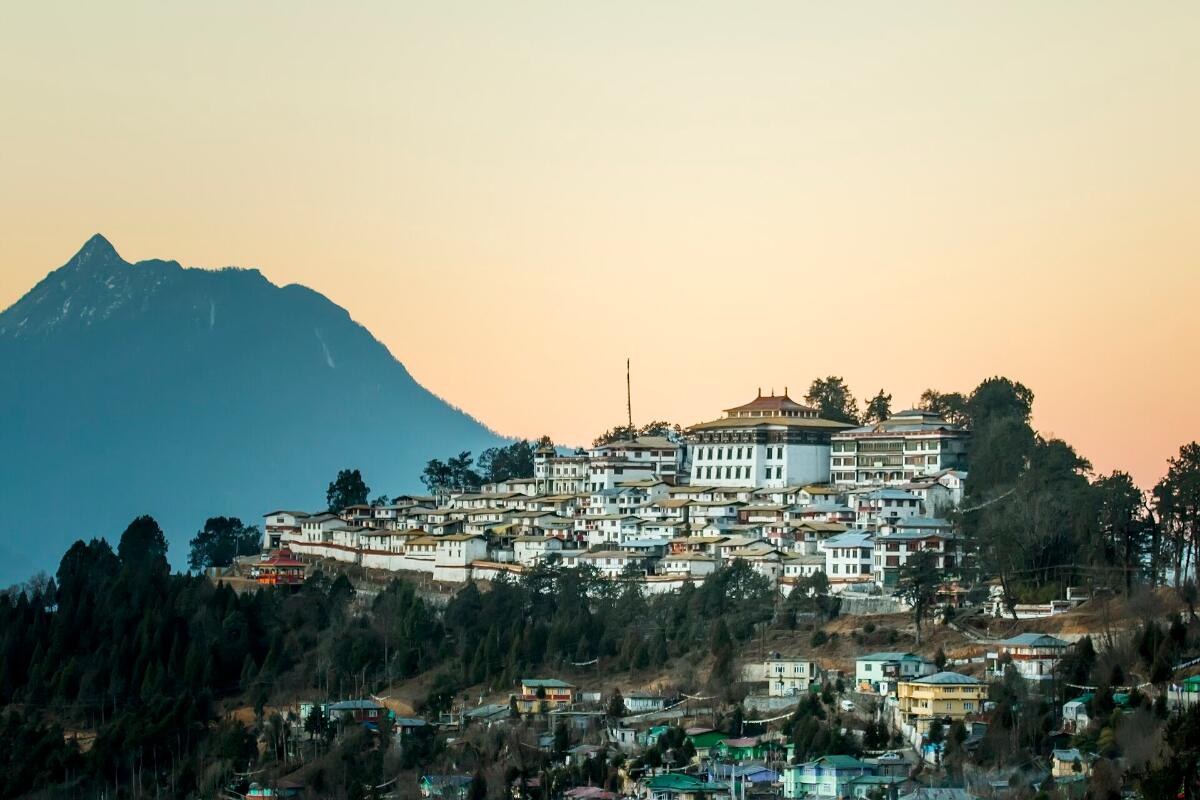
Every Indian visitor from outside Arunachal Pradesh needs an ILP, whether you're going to Tawang, Dirang, Ziro, Mechuka, Roing and Mayudia, Pasighat or Namdapha.
How to apply: Arunachal's tourist ILP is issued online as an eILP on the state's official portal, eilp.arunachal.gov.in. You register with your mobile number, fill in your details and travel dates, upload a photo and ID, and pay online. Tourist eILPs are usually approved quickly. Print a few copies and keep the PDF on your phone.
Extra permits inside the state: a few places need a second permit on top of the ILP:
- Bum La Pass and Sangetsar Lake (often called Madhuri Lake) near Tawang need a separate permit from the Deputy Commissioner's office in Tawang. Apply the day before you plan to go.
- Namdapha National Park needs a park entry permit, issued at Miao.
In early 2026 the eILP portal was taken offline for a short time for maintenance. If it's down when you try, wait and try again, or apply at one of Arunachal's ILP counters well before your trip.
Nagaland

Indian visitors need an ILP for Kohima, Mon and Longwa, the Hornbill Festival and the rest of the state.
How to apply: on the official portal, ilp.nagaland.gov.in. Register with your mobile number (you'll get an OTP), submit your details with a passport-size photo and a government photo ID such as Aadhaar, a voter ID, a PAN card, a driving licence or a passport. Once the application is approved, you get an SMS and an email to pay online, and then your e-ILP is issued. The tourist ILP has typically been valid for up to 15 days.
Dimapur: for years, Dimapur was the one part of Nagaland outside the ILP system. That changed in 2019, and a 2024 notification extended it to Chumoukedima and Niuland as well. If you're only passing through Dimapur with a valid onward ticket, you don't need a permit; if you're staying, you do.
If you're going for the Hornbill Festival (usually 1 to 10 December), apply for your ILP as soon as your dates are fixed, and book stays early. Kohima fills up.
Mizoram
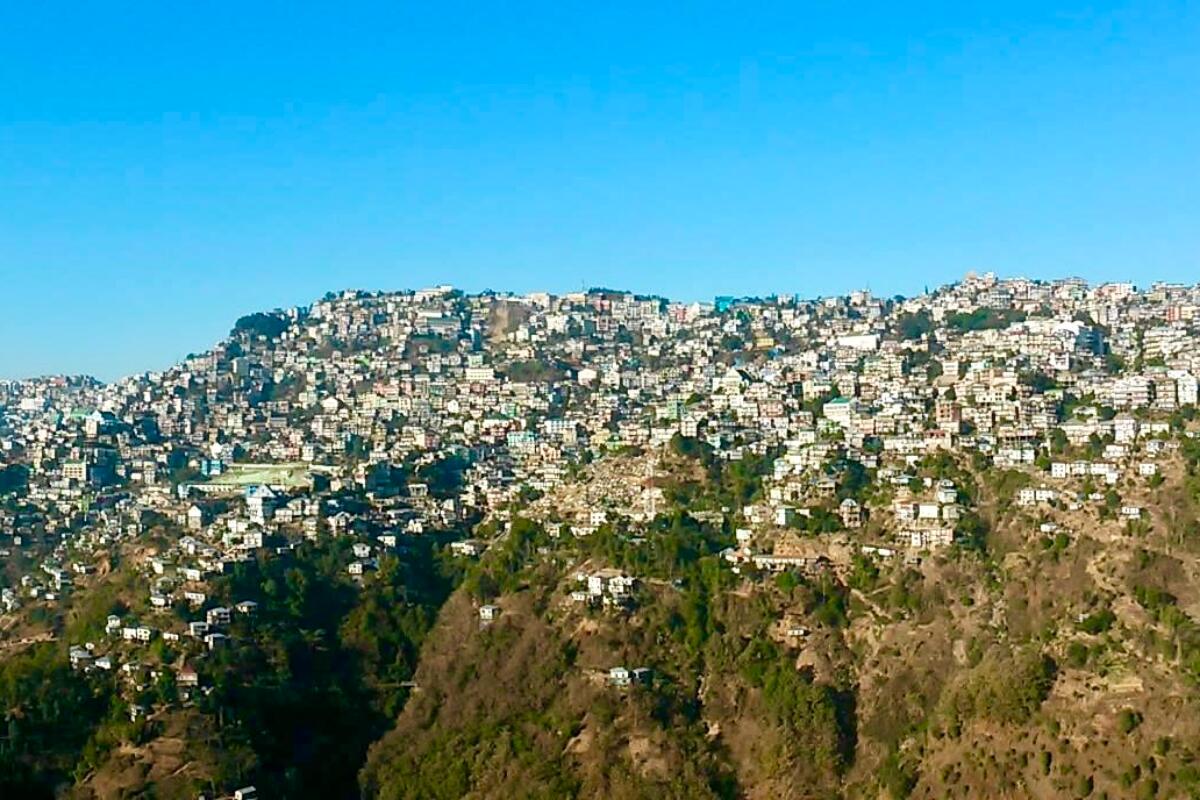
Indian visitors need an ILP to enter Mizoram, including Aizawl.
How to apply: online on the state's ILP portal, ilp.mizoram.gov.in. If you're flying in, you can also get a pass from the security officer on arrival at Lengpui Airport in Aizawl.
If you're coming by road, sort out your ILP before you reach the state. Mizoram doesn't issue ILPs at the check gates on the border. Liaison offices in cities like Kolkata, Guwahati, Shillong, Silchar and New Delhi also issue them.
Manipur
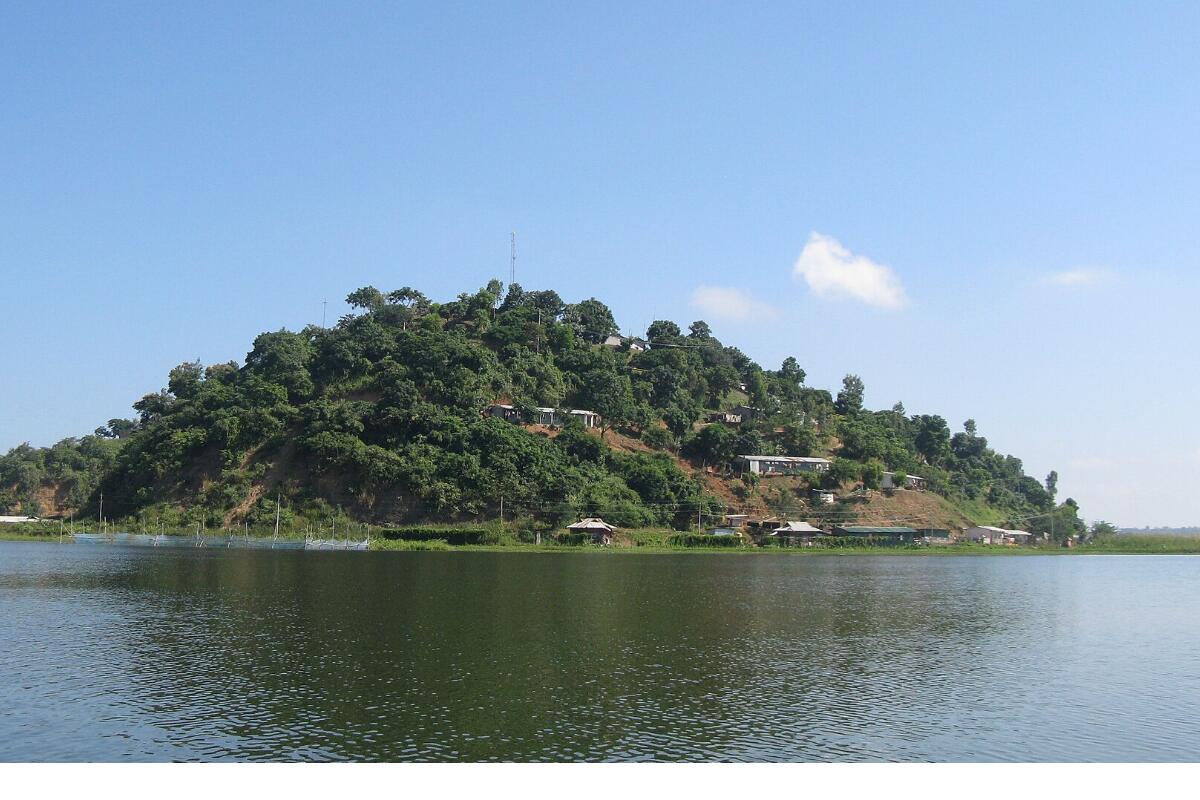
Indian visitors need an ILP to enter Manipur, including Imphal and Loktak Lake.
How to apply: on the official portal, manipurilponline.mn.gov.in. Tourists apply for the temporary permit, which is valid for up to 15 days. You choose the permit type, fill in the form, get an application number by SMS, check the status with that number and your date of birth, pay online once it's approved, and download your permit. There are also ILP kiosks at Imphal Airport, Mao Gate and Jiribam, where you can verify your details, pay digitally and get the permit on your phone.
Before travelling to Manipur, check the latest government advisories for the areas you plan to visit.
Ladakh: no ILP, but register and pay online
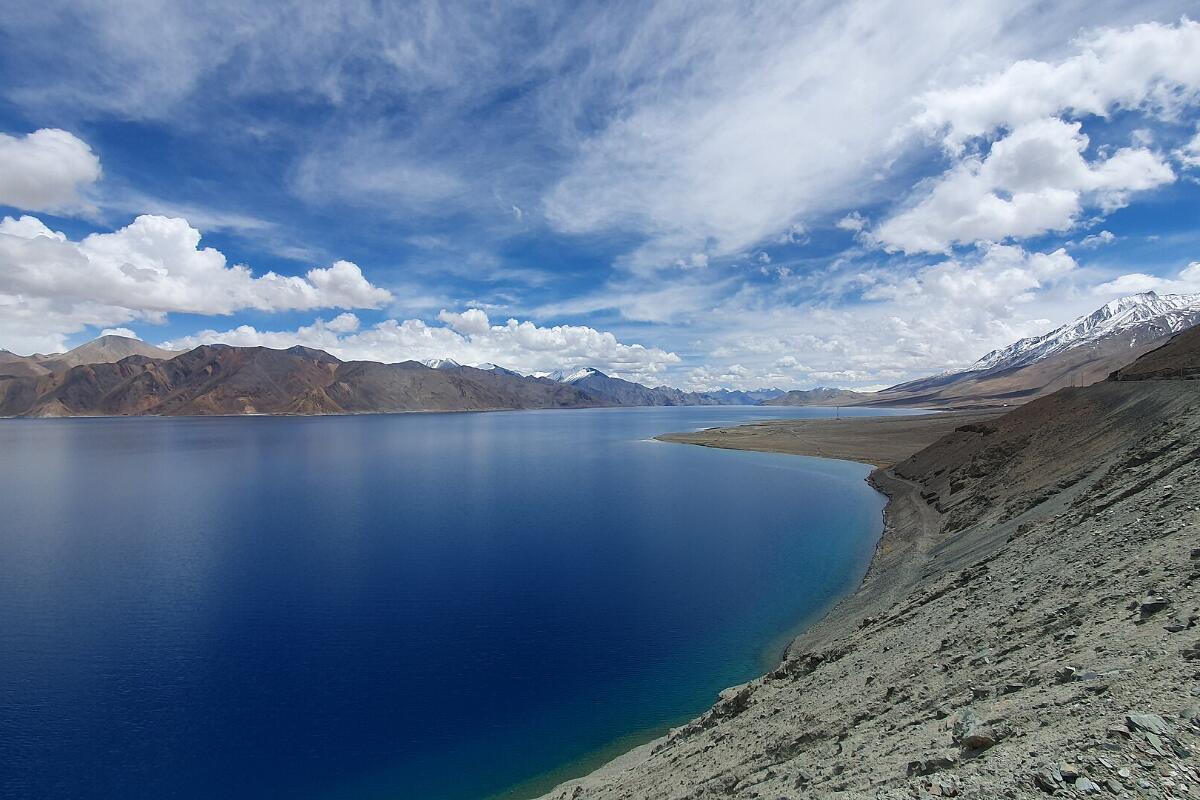
This is the one most people get confused about. Indian citizens don't need an inner line permit for Ladakh any more. But to visit protected areas like Nubra Valley, Pangong Tso, Tso Moriri and Hanle, you still need to register and pay a set of fees online. In practice, everyone calls this "the Ladakh permit".
How to do it: on the official LAHDC Leh portal, lahdclehpermit.in, register as a Domestic visitor and pay the fees online: an environmental (green) fee, a wildlife fee and a Red Cross contribution. Local travel agents can also do it for you, and the portal says permits taken through a local agent get a 10% discount on the fees.
Carry several printouts. Checkposts on the way to Nubra and Pangong keep a copy, and phone signal on those roads is unreliable. Places very close to the border, like Hanle and Umling La, have their own rules, so check before setting out.
Sikkim: protected area permits through operators
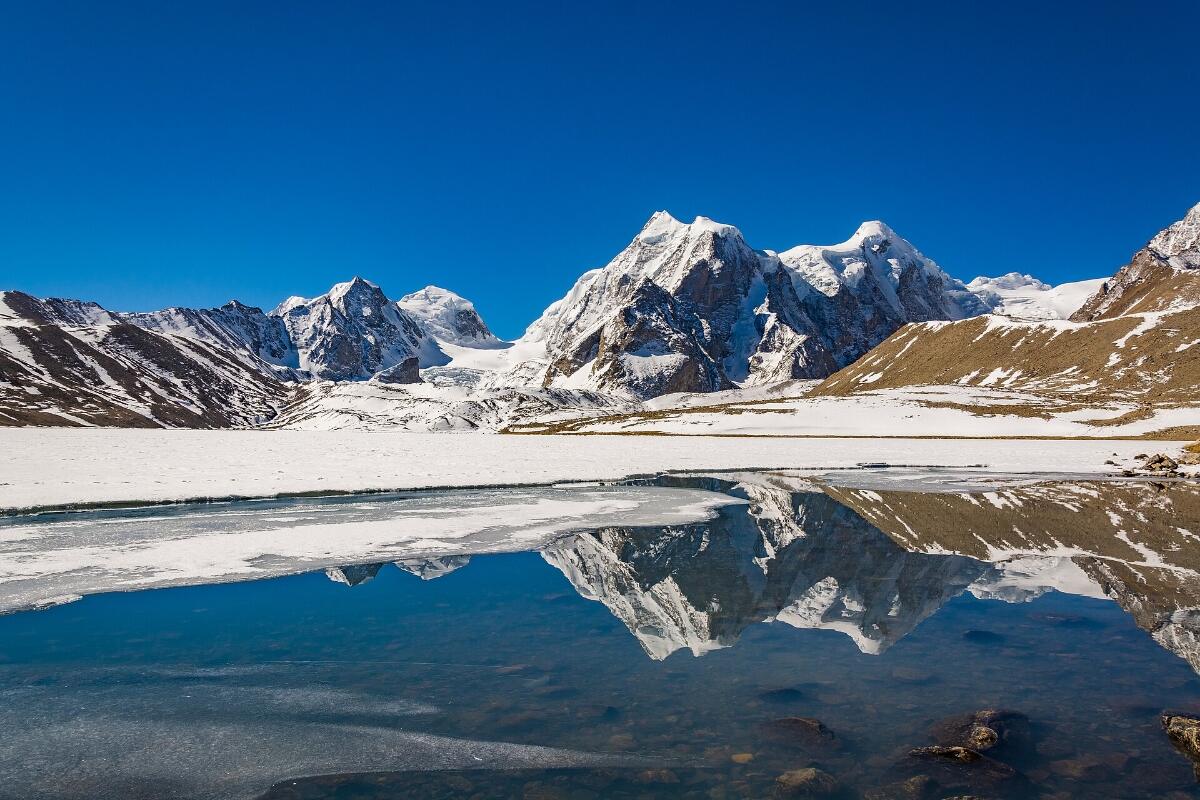
Indian visitors don't need a permit to enter Sikkim or to visit Gangtok. But the protected areas, which include most of the places people come for, do need one:
- North Sikkim: Lachung, Lachen, Yumthang and Gurudongmar Lake
- Tsomgo (Changu) Lake and Baba Mandir
- Nathu La, which is open only to Indian citizens
- Zuluk and the Old Silk Route
How to get them: through a registered Sikkim tour operator, who applies for you, usually the day before, with copies of your ID and photos. For North Sikkim, the permit comes with a registered vehicle and driver; self-drive isn't allowed. Some permits aren't issued to solo travellers, so if you're travelling alone, ask your operator about joining a shared tour.
Lakshadweep
Every visitor who isn't from the islands needs an entry permit for Lakshadweep, including Indian tourists. You apply online through the Lakshadweep administration's e-permit portal, and your permit only covers the islands named on it. Apply well in advance (reports suggest at least two weeks). The rules were simplified in 2026, so check the portal for the current list of documents. Most resorts and tour operators can also handle the permit as part of a package.
Three more permits worth knowing
- Adi Kailash and Om Parvat (Uttarakhand): you need an ILP from the SDM office in Dharchula. Expect to show your ID, photos and a medical fitness certificate; police verification is commonly asked for too. The application is done in person in Dharchula, so allow a day for it.
- Sandakphu (West Bengal): the trek runs through Singalila National Park, so you need a park entry permit from the forest office near Manebhanjan, and a local guide is compulsory. Guides are usually arranged in Manebhanjan.
- The White Rann of Kutch (Gujarat): you need an entry permit to visit the White Rann. Get it online or at the Bhirandiyara checkpost on the way, and carry ID.
Planning a Northeast trip across several states
Many Northeast trips cross state lines, and each state with an ILP needs its own. A few common routes, and what they need:
| Route | Permits for Indian visitors |
|---|---|
| Guwahati → Shillong → Cherrapunji | None. Assam and Meghalaya don't have an ILP |
| Guwahati → Kaziranga → Tawang | Arunachal ILP (plus the Tawang permit for Bum La, if you're going) |
| Guwahati → Ziro → Pasighat | Arunachal ILP |
| Dimapur → Kohima → Imphal | Nagaland ILP and Manipur ILP |
| Silchar → Aizawl | Mizoram ILP, arranged before you reach the border |
| Gangtok → Lachung → Gurudongmar | Sikkim protected area permits, through an operator |
Apply for all of them before you leave home, with dates that match the days you'll actually be in each state. When you plan a multi-state trip in JrnyLoop with stops on the way, it lists the permit for every place that needs one, so you can see the whole list in one go.
Travelling with someone who isn't an Indian citizen?
The rules are different and stricter for foreign nationals. Most of these areas need a Protected Area Permit or a Restricted Area Permit, usually arranged through a registered tour operator, and a few places, such as Nathu La, are closed to foreign visitors altogether. If your group includes a foreign national, check their permits first: they may decide the route for everyone.
How to apply for an ILP, step by step
The details differ by state, but the process is broadly the same:
- Go to the official portal. It should be a government address ending in .gov.in, or the one linked from the state government's site.
- Register with your mobile number and verify it with the OTP.
- Fill in your details: name, address, travel dates, where you'll enter the state and the places you'll visit.
- Upload a recent photo and a photo ID.
- Pay the fee online once the application is approved (some states approve tourist permits automatically).
- Download the permit. Print a few copies and keep the PDF on your phone.
Your ILP documents checklist
- A government photo ID: Aadhaar, voter ID, passport or driving licence
- A digital passport-size photo (and a few prints)
- Your exact travel dates, with a day or two of buffer
- Where you'll enter the state and the places you'll visit
- Your hotel bookings, in case they're asked for
- A working mobile number for the OTP
- Printouts of the permit, plus a copy on your phone
Common ILP mistakes
- Using an unofficial website. Several sites look official and charge extra. Use the government portal, or a registered local agent you trust.
- Applying for the wrong dates. An ILP is valid for specific dates. Add a day or two for delays, especially on mountain roads.
- Assuming one ILP covers the Northeast. It doesn't. An Arunachal ILP won't get you into Nagaland; a trip through three states needs three permits.
- Expecting to get one at the border. Some states don't issue permits at road entry points. Apply before you set out.
- Not carrying printouts. Signal is patchy at many checkposts. Paper still works when your phone doesn't.
- Not checking the latest rules. Permit rules, fees and portals change. Check the official site in the week before you travel.
How JrnyLoop helps with permits
When you plan a trip with JrnyLoop, it knows which destinations need an entry permit for Indian visitors, so you don't have to remember.
- It tells you. If your destination, or any stop on the way, needs a permit, the trip shows a Permit needed note with what you need and where to get it. Destination pages show it too, before you've even planned. If a trip crosses several places in one state, they're grouped under that state's permit.
- It packs for it. The packing list adds Entry permit (printouts + a copy on your phone) and Passport photos & ID photocopies, only for trips that need them.
- It keeps your permit with your trip. Add the permit to the trip's Bookings & tickets wallet, with its reference number, dates and a photo or screenshot. In the app it stays on your phone once you've opened it, so you can show it at a checkpost with no signal.
- It keeps the dates straight. Plan the trip with your real dates, and use the same dates for your ILP application. If your plans move, change the trip's dates and remember to check your permit still covers them.
Planning a Northeast trip from scratch? Start with how to plan a trip in India with JrnyLoop, and if you're driving, our guide to planning a road trip in India covers mountain roads, altitude and permits on the way.
Before you go
An inner line permit takes a few minutes online and saves a lot of trouble at the checkpost. Check which permits your route needs, apply on the official portal as soon as your dates are fixed, carry printouts, and keep a copy with your trip.
Ready to plan? Start your trip on JrnyLoop: it will tell you if your destination needs a permit.


Comments