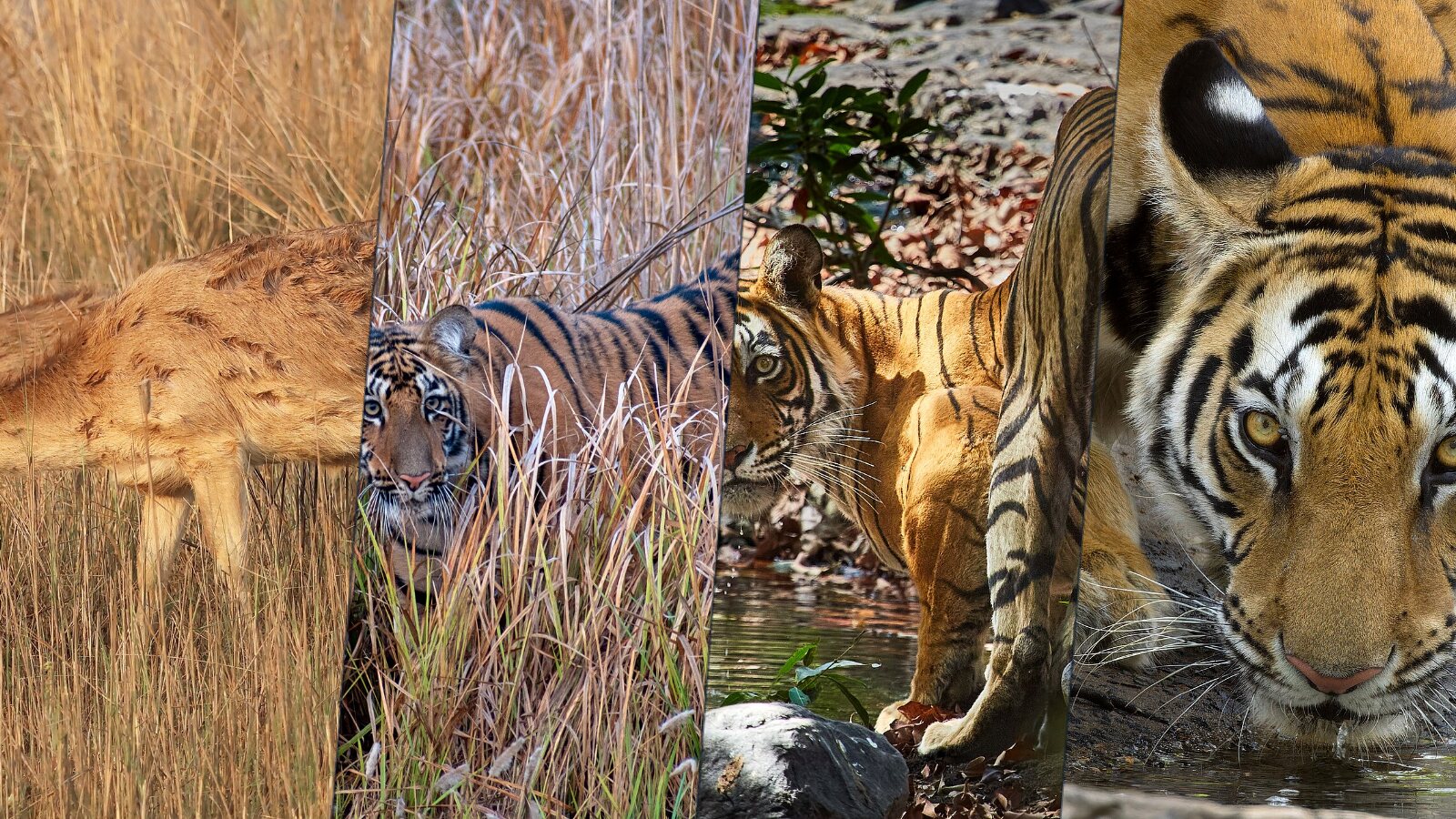
India is home to around three-quarters of the world's wild tigers, and seeing one in the forest, walking down a dusty track or resting by a waterhole, is one of the great wildlife experiences anywhere. A tiger safari in India is also more accessible than most people think: the best reserves are a short drive or train ride from big cities, and a jeep safari costs less than a nice dinner in many places.
But tigers don't appear on demand. Your chances depend on which reserve you choose, which zone you book, the season and how many safaris you take. This guide covers the eight best reserves, when to go, how to book, what it costs, and how to give yourself the best chance of a sighting.
The best reserves for a tiger safari in India
| Reserve | State | Nearest city | Best for | Closes |
|---|---|---|---|---|
| Ranthambore | Rajasthan | Jaipur, Sawai Madhopur | Tigers among fort ruins | Core zones in the monsoon |
| Bandhavgarh | Madhya Pradesh | Jabalpur, Umaria | High tiger density | 1 July to 30 September |
| Kanha | Madhya Pradesh | Jabalpur, Nagpur | Meadows, barasingha, tigers | 1 July to 30 September |
| Tadoba | Maharashtra | Nagpur, Chandrapur | Tigers, easy from Nagpur | Core in the monsoon |
| Pench | Madhya Pradesh and Maharashtra | Nagpur | Tigers, leopards, wild dogs | Core in the monsoon |
| Jim Corbett | Uttarakhand | Delhi, Ramnagar | India's oldest national park | Most zones in the monsoon |
| Kabini (Nagarhole) | Karnataka | Bengaluru, Mysuru | Elephants, leopards, tigers | Rarely |
| Satpura | Madhya Pradesh | Bhopal | Walking and boat safaris | 1 July to 30 September |
1. Ranthambore, Rajasthan
Ranthambore is the most photogenic tiger reserve in India. Its tigers wander past a 10th-century hilltop fort, ruined pavilions, lakes and huge banyan trees, and they're used to vehicles. It's about 3 hours from Jaipur by road, or a short train ride to Sawai Madhopur.
- Safaris: six-seat jeeps (gypsies) or 20-seat canters, in zones that are allotted when you book
- Good to know: the core zones close in the monsoon, roughly July to September
- Combine with: Jaipur and our weekend getaways from Jaipur
2. Bandhavgarh, Madhya Pradesh
Bandhavgarh has one of the highest densities of tigers in India, which makes it one of the best bets for a sighting. Its Tala zone is the most sought-after, with a hilltop fort and the ancient reclining Vishnu of Shesh Shaiya on the safari route.
- Good to know: Tala zone sells out first, so book the day bookings open
- Getting there: Umaria station is about 35 km away; Jabalpur has the nearest major airport
3. Kanha, Madhya Pradesh
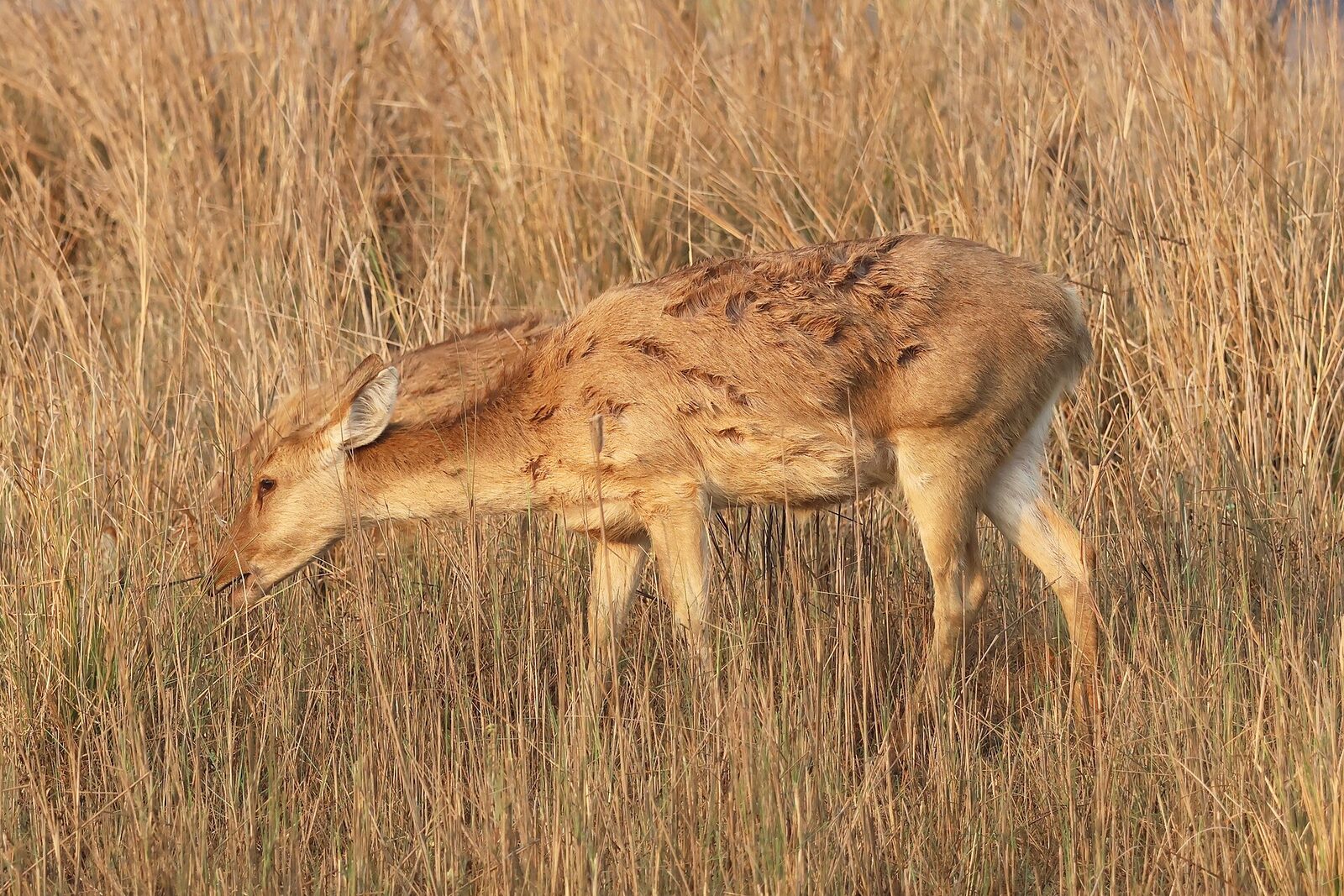
Kanha's sal forests and open meadows inspired Kipling's The Jungle Book. It's large and beautiful, and it's where the barasingha (swamp deer) was saved from extinction. Tigers are regularly seen in the Kanha, Kisli, Mukki and Sarhi zones.
- Good to know: combine Kanha and Bandhavgarh for a central India wildlife week
- Getting there: about 3½ to 4 hours by road from Jabalpur, or 5 to 6 from Nagpur
4. Tadoba, Maharashtra
Tadoba-Andhari is Maharashtra's oldest national park and one of the most reliable places in India to see tigers. The Moharli gate is the most popular. Buffer zones stay open through the monsoon and offer night safaris.
- Good to know: core safaris sell out fast on the official Tadoba booking site
- Getting there: about 3 hours by road from Nagpur
5. Pench, Madhya Pradesh and Maharashtra
Pench straddles the border of two states along the Pench river, with teak forest, open grassland and a reputation for tigers, leopards and wild dogs. It's about 2 hours from Nagpur airport, which makes it one of the easiest reserves to reach.
6. Jim Corbett, Uttarakhand
India's oldest national park, founded in 1936, sits along the Ramganga river at the foot of the Himalaya, about 5½ hours from Delhi. Tigers are harder to see here than in central India because the forest is dense, but it's beautiful, with elephants, otters and great birdlife. Our Jim Corbett safari guide explains the zones, from Bijrani and Jhirna to Dhikala.
7. Kabini (Nagarhole), Karnataka
On the backwaters of the Kabini reservoir, on the edge of Nagarhole National Park, Kabini is famous for large herds of elephants in the dry months, as well as leopards, including the occasional black panther, and tigers. Boat safaris on the backwaters are a highlight.
- Getting there: about 4 hours from Bengaluru. See our weekend getaways from Bangalore
8. Satpura, Madhya Pradesh
Satpura is quieter than the big names, and it's one of the few tiger reserves where you can take walking safaris and canoe safaris on the Denwa river with a guide. Tigers are seen less often, but sloth bears, leopards and the quiet of the forest make up for it. It pairs well with the hill station of Pachmarhi.
When to go for a tiger safari
- October to January: the parks reopen after the monsoon. The forest is green and dense and the weather is pleasant, but sightings are harder in thick cover.
- February to March: a good balance of comfortable weather and improving sightings as the forest thins.
- April to June: the hottest months, but the best for sightings, because tigers come to the few remaining waterholes. Safaris are hot and dusty, often above 40°C.
- July to September: core zones of most reserves are closed for the monsoon. Some buffer zones stay open.
Weekly closures: many reserves close for one half-day a week. The Madhya Pradesh reserves have traditionally closed on Wednesday afternoons, and Tadoba's core on Tuesdays. Check the current rules for your park before booking.
How to book a safari
- Pick your reserve and dates, ideally with three or four safaris over two or three days.
- Book on the official state forest department website as soon as bookings open for your dates. Jeep seats, especially in the best zones and on weekends, sell out within hours.
- Book a jeep (gypsy), not a canter, if you can. Jeeps carry six people and can stop more freely.
- Use your stay as a backup. Many resorts can help with bookings, and some reserves keep a small current booking quota at the gate.
- Carry the ID you used to book. It's checked at the gate.
Fake safari booking websites and agents charging huge mark-ups are common. Book on the official forest department sites, or through your resort.
What a tiger safari costs
| Budget | Mid-range | Premium | |
|---|---|---|---|
| Jeep safari, per seat | about ₹1,200 to ₹2,500 | about ₹1,500 to ₹3,000 | Private jeep, ₹8,000 to ₹15,000 |
| Stay, per night for two | ₹1,500 to ₹3,000 | ₹4,500 to ₹8,000 | ₹15,000 and up, often with safaris |
| Food per day | ₹400 to ₹800 | ₹1,000 to ₹2,000 | Usually included |
A two-night trip with three safaris usually costs about ₹8,000 to ₹15,000 per person on a budget, not counting travel to the park. Safari prices differ by state and are revised often.
How to improve your chances of seeing a tiger
- Take more safaris. Three or four over two or three days give you far better odds than one.
- Go in the dry season. April to June is best for sightings.
- Book the best zones early. In each park, some zones are known for regular sightings.
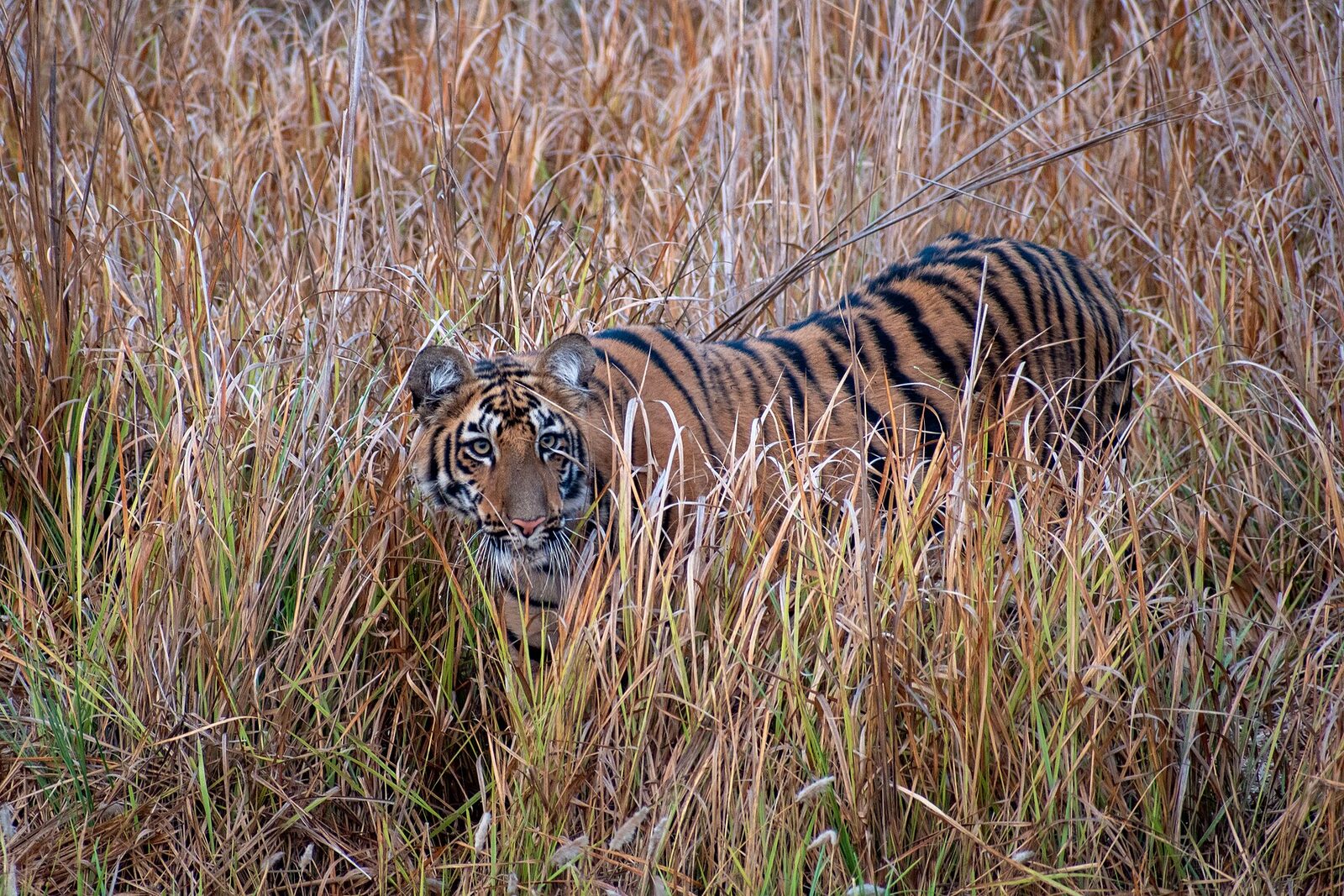
- Listen for alarm calls. Spotted deer, sambar and langurs call when a tiger is near. Good guides read them.
- Enjoy the rest of the forest. Leopards, sloth bears, wild dogs, gaur, deer and hundreds of species of birds are all part of a great safari.
Safari rules and etiquette
- Stay inside the vehicle at all times, except at designated points.
- Keep your voice low, and never call out to animals or bang the vehicle.
- No littering, no smoking and no flash photography.
- Follow the guide and driver's instructions, and don't push them to break the rules for a closer look.
- Wear muted colours, carry a cap, water and a light jacket for cold winter mornings.
Big cats beyond the tiger
India's forests are home to more than tigers:
- Asiatic lions: found in the wild only in and around Gir National Park in Gujarat
- Leopards: widespread, and often seen at Jhalana in Jaipur, Bera in Rajasthan, Tadoba, Kabini and Sanjay Gandhi National Park in Mumbai
- Black panthers (melanistic leopards): occasionally seen at Kabini and Nagarhole
- Snow leopards: in the high Himalaya of Ladakh and Spiti, on winter tracking tours
- Clouded leopards: rare and elusive, in the forests of the Northeast
What else you'll see on a tiger safari
Even without a tiger, a good safari is full of wildlife: spotted deer (chital), sambar, nilgai, gaur (Indian bison), wild boar, langurs, sloth bears, wild dogs (dhole), jackals, crocodiles at the lakes, and hundreds of species of birds, from peacocks and hornbills to eagles and kingfishers. Listening to the alarm calls of deer and langurs as a tiger moves through the forest is one of the great thrills of an Indian safari.
Choosing a resort near a tiger reserve
- Choose one close to your safari gate, so you don't waste the early morning driving.
- Ask whether they book safaris or help with permits.
- Look for resorts with naturalists, who lead walks and talks.
- Responsible lodges use solar power, local staff and local food, and support conservation.
- Book early for winter weekends and the April to June peak.
A tiger safari for families
Children love safaris, but rules about minimum ages for some zones and canters vary by park, so check when you book. Jeeps are better than canters for small groups. Carry snacks, water and warm layers for winter mornings, and keep children seated and quiet in the vehicle. A day at the resort pool between safaris helps everyone.
A sample 3-day tiger safari trip
| Day | Plan |
|---|---|
| 1 | Arrive by train or road, afternoon safari |
| 2 | Morning safari, rest at the resort, afternoon safari |
| 3 | Morning safari, depart |
This gives you four safaris, which is the best way to see a tiger. Book the morning slots first, as they're usually the best.
Wildlife photography tips
- A zoom lens of 200 to 400 mm is ideal; a phone with zoom works for many shots.
- Keep the shutter speed fast, as animals move quickly and jeeps bounce.
- Use a bean bag to rest the camera on the jeep's edge, as tripods aren't practical.
- Shoot in the golden light of early morning and late afternoon.
- Never ask the driver to break the rules or get too close for a photo.
Common mistakes on a tiger safari
- Booking only one safari and expecting to see a tiger.
- Wearing bright colours, which can disturb animals.
- Making noise when the guide is listening for alarm calls.
- Booking on fake websites instead of the official forest department sites.
- Forgetting the weekly or monsoon closures of the park.
Core and buffer zones
Every tiger reserve has a core zone, the heart of the forest where most tigers live, and a buffer zone around it, where forest meets villages and farmland. Core zones are usually closed during the monsoon, from about July to September, while some buffer zones stay open through the year. Tigers are often seen in buffer zones too, and buffer safaris are cheaper and easier to book. Your safari ticket is for a specific zone and time, so choose carefully, as you can't switch on the day.
Jeep or canter?
| Vehicle | What it's like |
|---|---|
| Jeep (gypsy) | Six visitors, a driver and a guide. More flexible, closer to the action and easier for photography. More expensive. |
| Canter | An open bus with about 20 seats. Cheaper and fine for a first safari, but noisier and less flexible. |
In reserves like Ranthambore and Corbett, both are available in many zones. If you can, book a jeep for at least one of your safaris.
What to wear and carry on safari
- Earth-coloured clothes, like khaki, olive and brown. Avoid bright colours and white.
- Warm layers in winter. Open jeeps are freezing on December and January mornings, so bring a jacket, gloves and a cap.
- A scarf or mask for the dust.
- Binoculars and a camera with a zoom lens.
- The same ID you used when booking, as it's checked at the gate.
- Water and a small snack, but no plastic bags or loud music.
Tiger conservation in India
When Project Tiger began in 1973, India's tigers were in serious danger from hunting and habitat loss. Today, India has more than 50 tiger reserves, and the last national tiger estimate, in 2022, put the number of wild tigers at more than 3,000, about three-quarters of the world's wild tigers. Responsible safaris help, as entry fees fund the forest department, and tourism gives local communities a reason to protect the forest. Choose resorts that employ local people and follow the reserve's rules.
Tiger safaris in the monsoon
Most core zones close from about July to September, but some buffer zones stay open, in reserves such as Tadoba and others. The forest is green and beautiful, but sightings are harder, as animals spread out and the grass is tall. If you go, book a buffer safari, carry rain gear, and expect muddy tracks.
Plan your safari with JrnyLoop
Tell JrnyLoop where you're starting and which reserve you're going to, and it plans the journey with realistic drive or train times, schedules your safaris for sunrise and late afternoon, and budgets the trip for your group. Pin your safari bookings as fixed, and if anything else changes, the rest of the trip is replanned around them.
Gujarat's lions are another great wildlife trip. See Gir in our weekend getaways from Ahmedabad, and Kaziranga's rhinos in our Kaziranga safari guide.
The short version
For the best odds, go to Bandhavgarh, Tadoba or Ranthambore between February and May, and book three or four jeep safaris over two or three days on the official forest department website as soon as bookings open. Check the park's monsoon and weekly closures, stay in the vehicle, keep quiet, and enjoy the forest whether or not a tiger walks out.


Comments