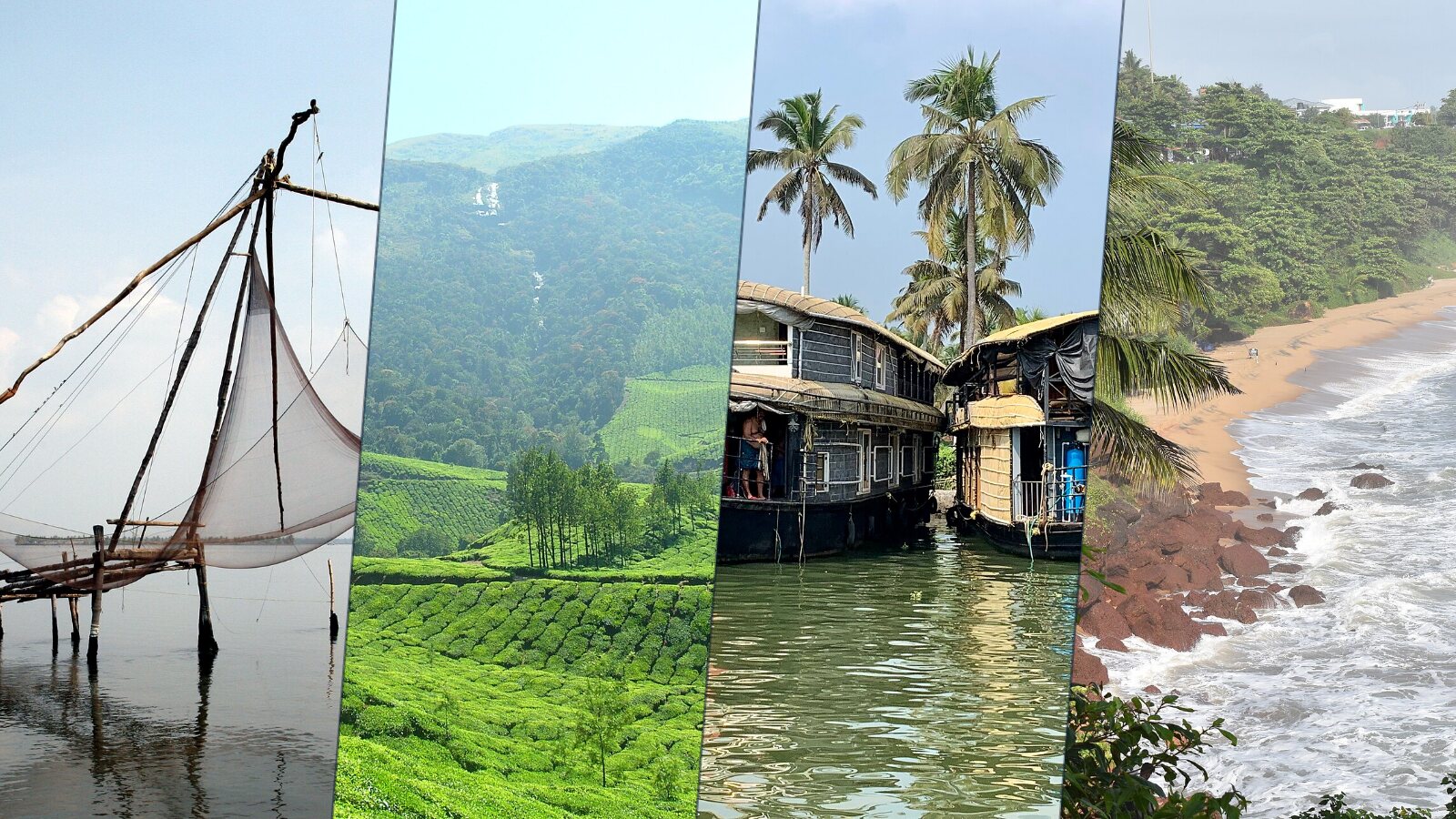
A Kerala itinerary packs more variety into a week than almost any other trip in India. In seven days you can walk Fort Kochi's old lanes, wake up above the clouds in Munnar's tea estates, take a boat into a tiger reserve at Thekkady, spend a night on a houseboat in Alleppey and end on a red cliff above the Arabian Sea in Varkala.
This Kerala itinerary does all of that in a loop that starts in Kochi and ends in Thiruvananthapuram, so you never backtrack. It includes realistic drive times between each stop, where to stay, what each part costs, the best months to go and how to shorten or stretch the plan.
The best time to visit Kerala
- October to March is the main season. The monsoon is over, the hills are green and the beaches are calm. December and January are the busiest.
- April and May are hot and humid on the coast, but Munnar and Thekkady stay pleasant.
- June to September is the monsoon. Kerala is spectacularly green, Ayurveda treatments are traditionally done at this time and prices drop, but heavy rain can cause landslides in the hills and the sea is rough.
Eravikulam National Park in Munnar usually closes for a few weeks in February and March for the Nilgiri tahr's calving season. If seeing the tahr matters to you, check the dates before you plan.
Kerala itinerary at a glance
| Day | Route | Drive | Night |
|---|---|---|---|
| 1 | Arrive in Kochi | None | Fort Kochi |
| 2 | Kochi to Munnar | about 125 km, 4 hours | Munnar |
| 3 | Munnar | local | Munnar |
| 4 | Munnar to Thekkady | about 83 km, 3 hours | Thekkady |
| 5 | Thekkady to Alleppey | about 138 km, 4½ hours | Houseboat |
| 6 | Alleppey to Varkala | about 109 km, 3 hours | Varkala |
| 7 | Varkala, then Thiruvananthapuram | about 41 km, 1¼ hours | Fly or train home |
The drive times are JrnyLoop's estimates for real Kerala roads, which are slower than map apps suggest because so much of the route winds through the Western Ghats.
Day 1: Fort Kochi
Fly or take the train into Kochi and head straight for Fort Kochi, the old port town on the peninsula. Its lanes are layered with Portuguese, Dutch, British and Jewish history, and it's the best place in Kerala to simply walk.
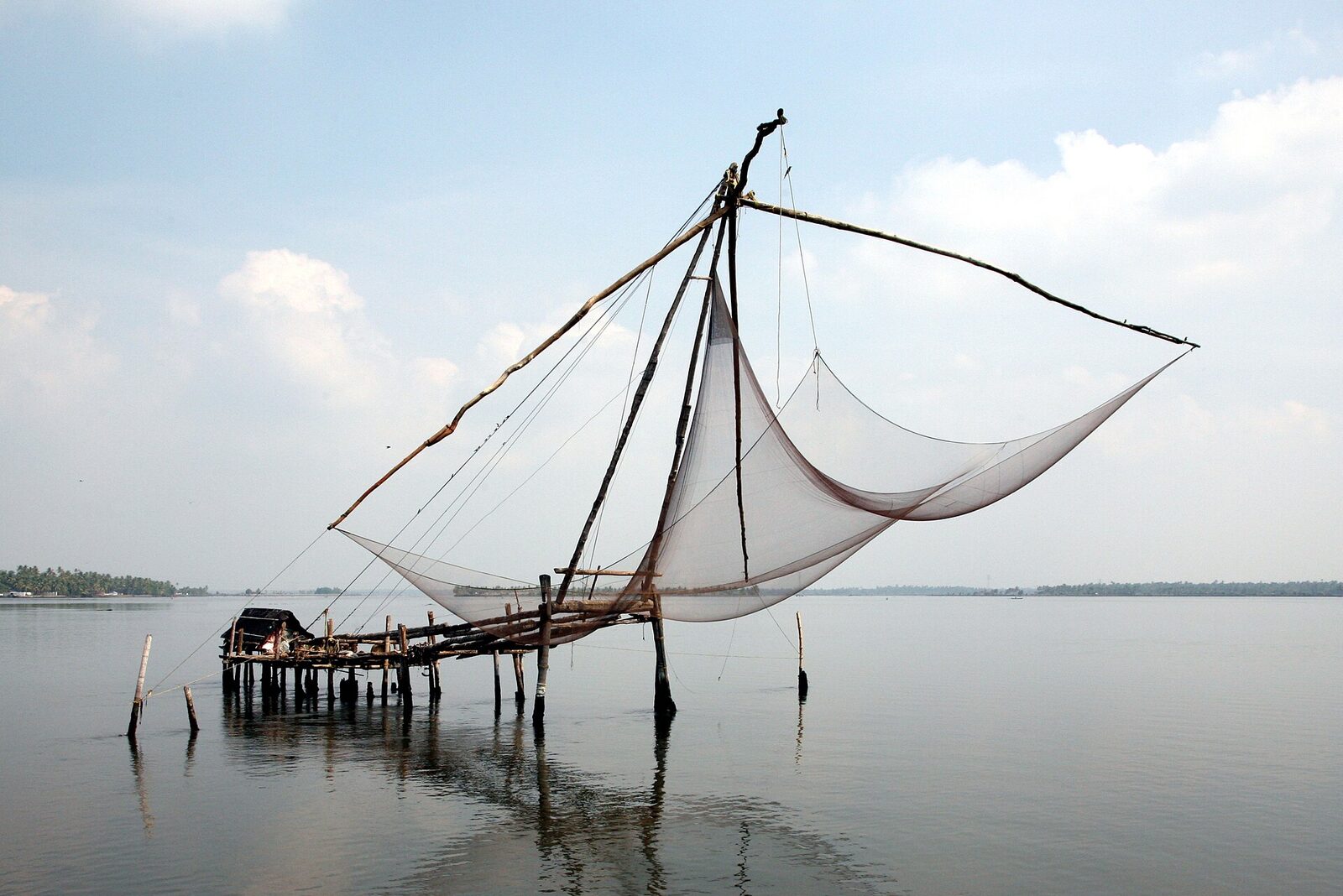
See St Francis Church, where Vasco da Gama was first buried, and the Chinese fishing nets on the beach, best at sunset. In the afternoon, cross to Mattancherry for the Dutch Palace and its Kerala murals (closed on Fridays) and Jew Town, with its spice warehouses and the 16th-century Paradesi Synagogue (closed on Fridays, Saturdays and Jewish holidays). In the evening, watch a Kathakali performance, and arrive early to see the dancers apply their make-up.
- Stay: a Fort Kochi homestay or heritage hotel, about ₹1,500 to ₹6,000 a night
- Eat: Kerala fish curry and appam, or seafood picked from the market and cooked at a stall near the nets
If you're in Kochi between December and March in a Biennale year, the Kochi-Muziris Biennale fills Fort Kochi's warehouses with contemporary art. It's one of the best art events in Asia.
Day 2: Kochi to Munnar
Leave Kochi after breakfast for the climb into the Western Ghats. The road passes rubber and spice plantations before the tea estates begin around Adimali. Stop at the Cheeyappara and Valara waterfalls on the way, both right by the road.
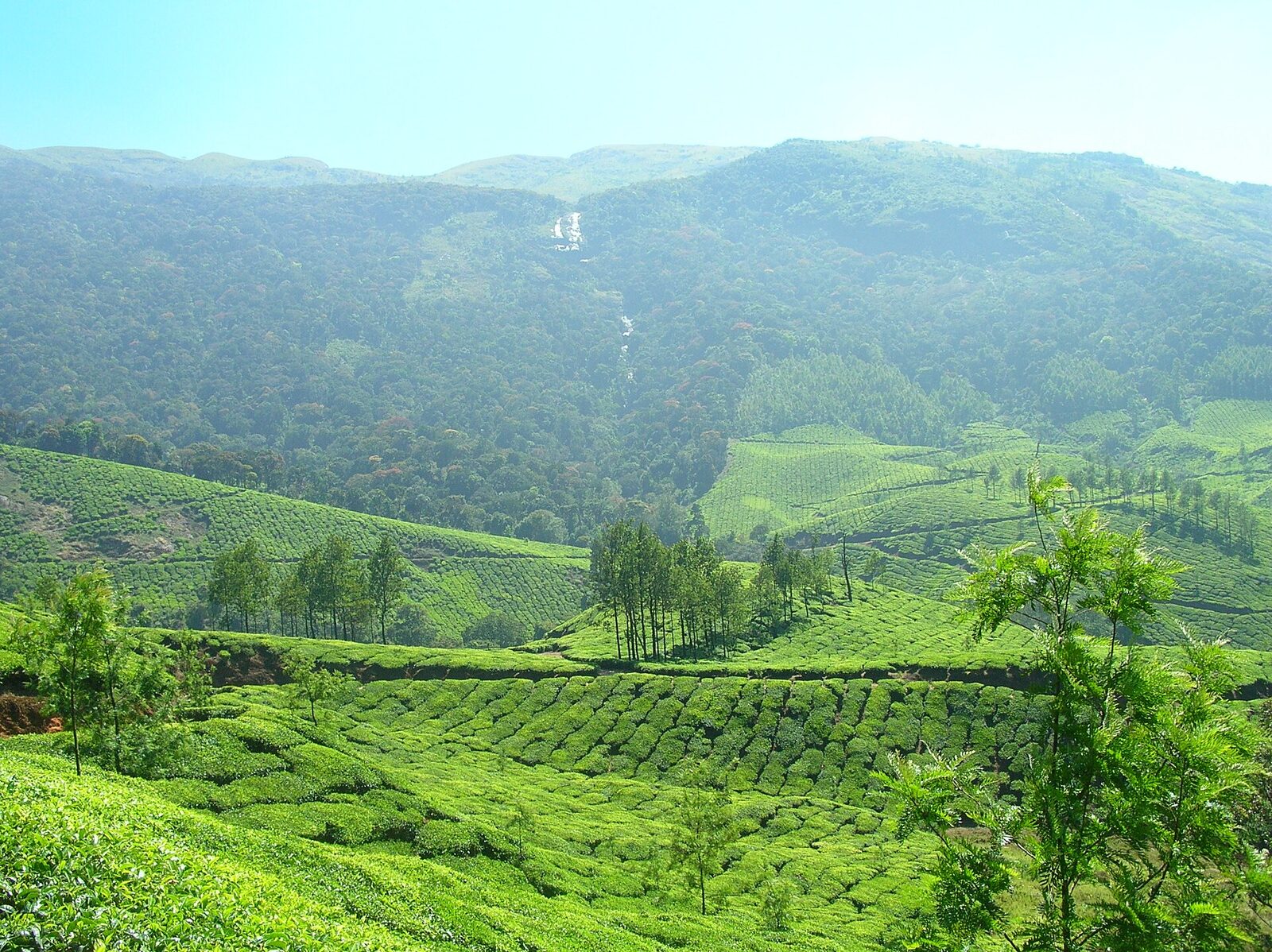
Reach Munnar by early afternoon. Visit the Tea Museum run by KDHP to see how tea is made, then take a walk through the estates as the light softens.
- Stay: Munnar town for budget hotels (₹1,000 to ₹2,500), Chinnakanal for lakeside stays, or Chithirapuram and Pallivasal for resorts with valley views
Day 3: Munnar
Start early at Eravikulam National Park (about ₹200), where buses take you up to grasslands with the endangered Nilgiri tahr and views of Anamudi, the highest peak in South India. In the afternoon, visit Mattupetty Dam and the Echo Point lake, then drive out to Top Station on the Kerala–Tamil Nadu border for views over the plains.
For a memorable morning, book a Kolukkumalai jeep safari to what's often called the highest tea estate in the world for sunrise. It's a bumpy 4x4 ride and starts very early, but the view above the clouds is worth it.
Day 4: Munnar to Thekkady
The road south from Munnar winds through cardamom hills to Thekkady and the town of Kumily, on the edge of Periyar Tiger Reserve. Arrive by lunch.
In the afternoon, take a spice plantation tour (about ₹300) to see cardamom, pepper, vanilla and cinnamon growing, then watch a Kalaripayattu show in the evening, Kerala's ancient martial art.
- Stay: Kumily town for budget rooms, Lake Road for hotels near the park gate, or a cottage in a spice estate
Day 5: Periyar, then Alleppey and the houseboat
Be at the jetty early for the first Periyar Lake boat cruise (about ₹300), when elephants, gaur and wild boar come down to the water. Tickets for the first cruise sell out, so ask your stay to help you book.
Then drive to Alleppey (Alappuzha). Houseboats usually board around noon, so for this plan, choose one that boards in the afternoon, or swap the cruise for a relaxed morning and leave Thekkady early.
The houseboat, or kettuvallam, is the highlight of most Kerala trips. You cruise through Vembanad Lake and the canals of Kuttanad, where rice is grown below sea level, past villages, churches and duck farms, with a cook on board preparing lunch, tea and dinner. Boats moor for the night by around 5:30 pm, as required by local rules. Our full Alleppey houseboat guide explains the types of boat, the prices and how to book a good one.
- Cost: about ₹7,000 to ₹20,000 per boat per night for a one-bedroom boat, including meals
Day 6: Alleppey to Varkala
Leave the houseboat after breakfast, around 9 am. If you have time, take a short shikara ride into the narrow canals that big houseboats can't reach.
Drive south to Varkala, where a red laterite cliff rises above the beach. Walk the North Cliff path, lined with cafés, yoga studios and shops, and watch the sunset from the top.
- Stay: North Cliff for cafés and sea views (₹1,500 to ₹5,000), or Odayam beach for quiet
Varkala has strong currents. Swim only where lifeguards are on duty, and never after dark.
Day 7: Varkala and home
Spend the morning on Papanasam Beach below the cliff and visit the 2,000-year-old Janardanaswamy Temple. If you have time, drive 10 km north to Kappil, where the backwaters meet the sea.
Then head to Thiruvananthapuram, about 41 km away, for your flight or train home. With an extra half-day, see the Padmanabhaswamy Temple (Hindus only, with a strict dress code) and the Napier Museum.
Shorter and longer versions of this Kerala itinerary
5 days: Kochi (1 night), Munnar (2 nights), Alleppey houseboat (1 night). Fly in and out of Kochi.
10 days: add a night in Kumarakom for the bird sanctuary and lakeside resorts, two nights in Kovalam or more time in Varkala, and a day trip to Athirappilly Falls from Kochi.
Honeymoon: Munnar, Thekkady and a private houseboat are a classic combination. See our guide to honeymoon destinations in India.
How to get around Kerala
- Car with driver: the most common choice for a Kerala itinerary like this one. Expect to pay about ₹2,800 to ₹3,500 a day for a sedan, including fuel, for 7 days. Agree on the total kilometres, tolls, parking and the driver's food and stay before you start.
- Self-drive: possible, but the ghat roads to Munnar and Thekkady are narrow and busy with buses. Read our guide to ghat road driving first.
- Bus: KSRTC buses connect every stop on this route cheaply, but they're slow for a one-week trip.
- Train: good for Kochi, Alleppey, Varkala and Thiruvananthapuram on the coast, but there are no trains to Munnar or Thekkady.
What a 7-day Kerala trip costs
A rough budget per person for two people sharing, not counting travel to Kerala:
| Budget | Mid-range | |
|---|---|---|
| Stays (5 nights) | ₹6,000 to ₹9,000 | ₹15,000 to ₹25,000 |
| Houseboat (1 night) | ₹3,500 to ₹5,000 | ₹6,000 to ₹10,000 |
| Car with driver (7 days, shared) | ₹10,000 to ₹12,000 | ₹10,000 to ₹12,000 |
| Food | ₹2,500 to ₹4,000 | ₹5,000 to ₹8,000 |
| Entry fees and activities | ₹1,500 to ₹2,500 | ₹3,000 to ₹5,000 |
| Total per person | ₹23,000 to ₹32,000 | ₹39,000 to ₹60,000 |
Travelling by bus and train instead of a private car brings the budget version down by about a third. For more ways to save, read our guide to planning a budget trip in India.
What to eat in Kerala
Try appam with stew for breakfast, a Kerala sadya on a banana leaf (especially at Onam), karimeen pollichathu (pearl spot fish cooked in banana leaf) in Alleppey, puttu and kadala curry, Malabar parotta with beef or vegetable curry, and fresh tender coconut everywhere. Kerala's vegetarian food is outstanding, and its seafood is some of the best in India.
Kerala travel tips
Book houseboats only from approved operators. Ask for photos of the actual boat, check whether the AC runs all night or only after a certain hour, and confirm what meals are included.
Dress modestly at temples. Many Kerala temples ask men to remove their shirts and require women to wear saris or long skirts. Some, like Padmanabhaswamy, are open only to Hindus.
Expect rain even in season. Short afternoon showers are common in Munnar and Thekkady. Carry a light rain jacket.
Don't rush the hills. The drive times between Munnar, Thekkady and Alleppey are longer than they look. Avoid driving the ghat roads after dark.
Kerala's festivals worth timing a trip around
- Onam (August or September): Kerala's harvest festival, with flower carpets, the great Onam sadya meal and snake boat races.
- Nehru Trophy Boat Race (second Saturday of August): the most famous snake boat race, on Punnamada Lake near Alleppey.
- Thrissur Pooram (April or May): caparisoned elephants, percussion orchestras and fireworks at Thrissur's Vadakkunnathan temple.
- Kochi-Muziris Biennale (December to March, in Biennale years): contemporary art across Fort Kochi and Mattancherry.
- Christmas in Fort Kochi: lights, carols and the Cochin Carnival around New Year.
Ayurveda in Kerala: what to know
Many visitors combine a Kerala itinerary with an Ayurvedic treatment, from a single massage to a programme of two or three weeks.
- Choose a certified centre. Kerala Tourism classifies Ayurveda centres, with "Green Leaf" and "Olive Leaf" labels for those that meet its standards. Look for qualified doctors and trained therapists.
- A short massage is a treat; a treatment is a commitment. Proper Ayurvedic treatments usually last a week or more, with a consultation, a special diet and rest.
- The monsoon is the traditional season for treatments, when the air is cool and moist. Many resorts offer lower prices then.
- Tell the doctor about your health conditions and medicines before any treatment.
Experiences beyond the classic route
- A village life tour in Kumarakom: coir-making, toddy tapping, fishing with the locals and lunch in a village home, run as a responsible tourism project.
- Kathakali and Mohiniyattam performances in Fort Kochi.
- A spice and tea factory visit in Munnar or Thekkady, to see cardamom, pepper and tea processed.
- A sunrise canoe through the narrow canals of Kainakary or Kuttanad, before the big houseboats start moving.
- Bamboo rafting at Periyar, a full day with forest guards, for those who want more of the tiger reserve.
Getting the Kerala itinerary right with children
Kerala is very family-friendly. Break the long drives up to Munnar and Thekkady with waterfall stops, choose a houseboat with an upper deck where children can watch the water safely, keep beach time at lifeguarded sections of Varkala or Kovalam, and plan one easy, unscheduled day.
Kerala travel costs at a glance
| Item | Typical cost |
|---|---|
| Fort Kochi homestay | ₹1,500 to ₹6,000 a night |
| Munnar hotel with a valley view | ₹2,500 to ₹10,000 a night |
| Houseboat, one bedroom, overnight | ₹7,000 to ₹20,000 per boat |
| Kathakali show | about ₹500 |
| Periyar boat cruise | about ₹300 |
| Eravikulam National Park | about ₹200 |
| Kerala sadya or fish thali | ₹150 to ₹400 |
These help you plan; a car with a driver for the week is usually the single biggest cost after stays.
Kerala in the off-season
From May to September, Kerala is green, quiet and much cheaper, with houseboat and resort prices often well below winter rates. Expect heavy downpours, some rough seas and the occasional landslide in the hills, so keep the plan flexible.
Common Kerala itinerary mistakes
Trying to fit Kochi, Munnar, Thekkady, Alleppey, Varkala and Kovalam into five days; booking the cheapest houseboat without seeing photos; and driving the hill roads after dark. Slow down, and Kerala rewards you.
Plan your Kerala trip with JrnyLoop
Tell JrnyLoop where you're starting and that you're going to Kerala, and add stops for Munnar, Thekkady, Alleppey and Varkala. It plans the route in order with realistic drive times, lays out each day with the sights at the best time of day, from sunrise at Top Station to sunset on the Varkala cliff, budgets the trip for your group and packs for both the hills and the beach.
Travelling with family or friends? Invite them to the trip so everyone can see the plan and vote on the choices, like whether to swap Varkala for Kovalam. If Kerala is your winter trip, our guide to places to visit in India in winter has more ideas.
The short version
Seven days is the right length for a first Kerala trip. Start in Fort Kochi, spend two nights in Munnar's tea hills, one in Thekkady's spice country, one on a houseboat and two on the Varkala cliff, then fly home from Thiruvananthapuram. Go between October and March, hire a car with a driver, and leave room in the plan for one slow afternoon on the water.


Comments